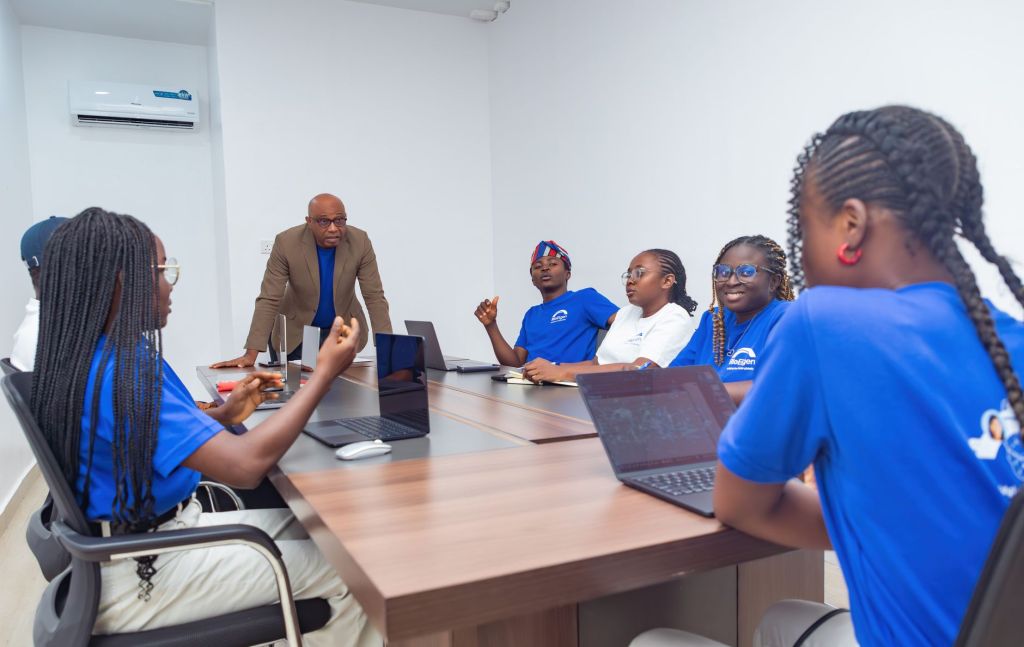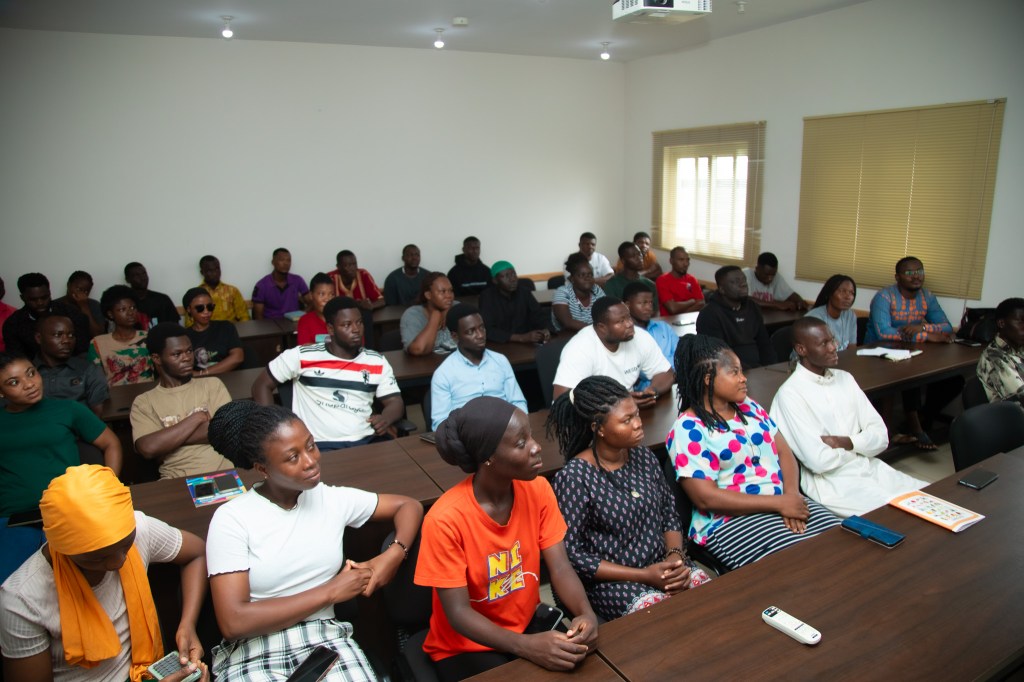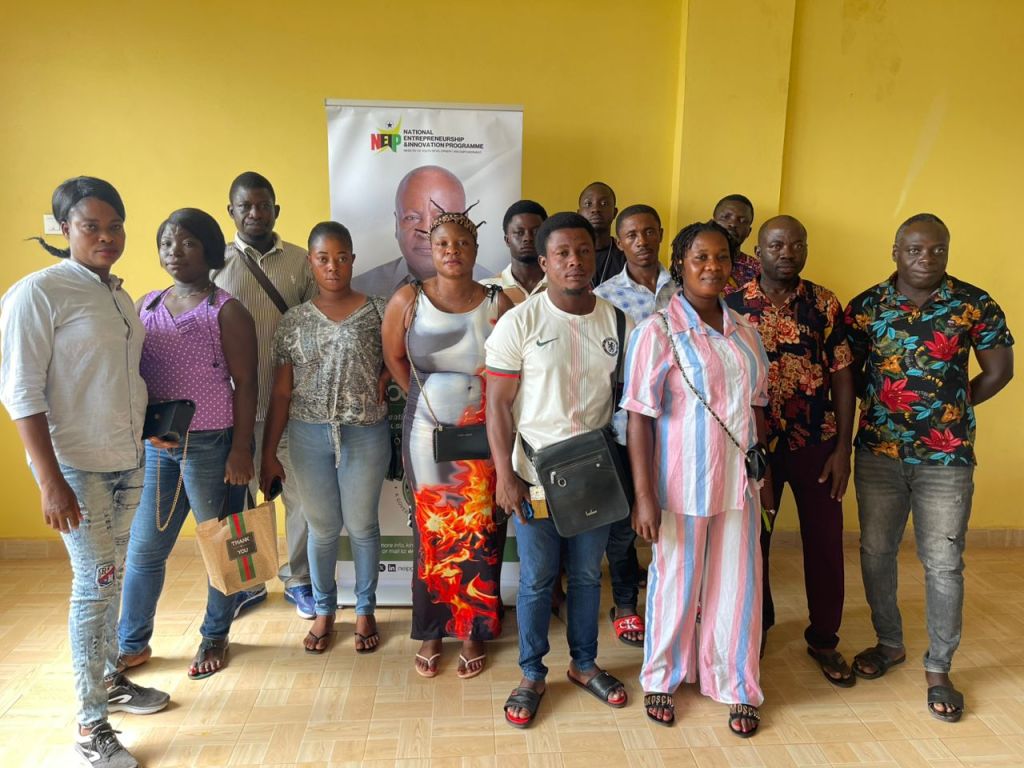

Every year, thousands of opportunities become available across Ghana to support young people, women, entrepreneurs, students, and persons with disabilities. These opportunities range from entrepreneurship programmes and business grants to leadership fellowships, vocational training, scholarships, and mentorship initiatives.
Yet many qualified applicants never get selected—not because they lack potential, but because they submit incomplete applications, miss deadlines, or fail to communicate their strengths effectively.
The good news is that successful applications follow common principles. Whether you’re applying for a government initiative, an NGO-funded programme, or a private-sector opportunity, preparing carefully can significantly improve your chances.
In this guide, we share practical steps to help you submit stronger applications and make the most of the opportunities available to you.
Why Good Applications Get Rejected
Many applicants assume that meeting the minimum requirements guarantees selection. Unfortunately, that is rarely the case.
Programme organizers often receive hundreds or even thousands of applications for a limited number of places. This means they look for applicants who demonstrate commitment, preparation, and a clear understanding of the opportunity.
Common reasons applications are rejected include:
- Applying after the deadline
- Incomplete application forms
- Missing supporting documents
- Generic personal statements
- Poorly written business ideas
- Ignoring eligibility requirements
- Spelling and grammar errors
- Using inaccurate or inconsistent information
Avoiding these mistakes can immediately improve your chances.

Step 1: Read the Eligibility Requirements Carefully
Before you begin any application, take time to read every instruction.
Ask yourself:
- Am I within the required age range?
- Is this programme open to my region?
- Do I meet the educational requirements?
- Is my business at the required stage?
- Are there documents I need before applying?
Applying for programmes you are not eligible for wastes valuable time.
Step 2: Prepare Your Documents Before You Apply
Many opportunities ask for similar documents.
Create a folder that includes:
- Updated CV or résumé
- Ghana Card or other identification
- Passport-sized photograph
- Academic certificates
- Business registration certificate (if applicable)
- Tax Identification Number (where required)
- Business plan
- Portfolio or previous work
- Reference letters
Having these documents ready allows you to apply quickly when opportunities become available.
Step 3: Write a Strong Personal Statement
One of the most important sections of many applications is the personal statement.
Rather than simply listing your achievements, explain:
- Who you are
- What problem you want to solve
- Why this opportunity matters to you
- How it will help your community
- What impact you hope to create
Be authentic. Reviewers often read hundreds of applications and appreciate genuine, well-structured stories.

Step 4: Present a Clear Business or Project Idea
If you’re applying for entrepreneurship support, your idea should answer four key questions:
- What problem are you solving? Clearly describe the challenge.
- Who benefits? Identify your target customers or beneficiaries.
- Why is your solution different? Highlight what makes your idea unique.
- How will you sustain it? Explain how the project or business will continue beyond the initial support.
Step 5: Pay Attention to Detail
Small mistakes can leave a negative impression.
Before submitting:
- Check spelling and grammar.
- Ensure all questions are answered.
- Upload the correct files.
- Verify contact information.
- Review dates and figures.
- Save copies of everything.
Step 6: Submit Early
Many applicants wait until the final day.
This increases the risk of:
- Website crashes
- Slow internet
- Missing documents
- Technical errors
Submitting early gives you time to resolve unexpected issues.
Step 7: Build Relevant Skills Before Applying
Strong applicants demonstrate continuous learning.
Consider improving skills in areas such as:
- Digital literacy
- Leadership
- Communication
- Financial management
- Project management
- Entrepreneurship
- Marketing
- Problem-solving
These skills strengthen both applications and long-term career prospects.
Opportunities Are More Than Funding
Many people focus only on grants.
However, some of the most valuable programmes offer:
- Mentorship
- Coaching
- Professional networks
- Business incubation
- Leadership training
- Technical skills
- Industry exposure
These benefits often have a greater long-term impact than financial support alone.
Stay Organized
Create an “Opportunities Tracker.”
Include:
| Opportunity | Deadline | Status | Documents Needed |
|---|---|---|---|
| Programme Name | Date | Applied | CV, ID, Statement |
This simple habit prevents missed deadlines and duplicate work.
Continue Learning
Even if your first application is unsuccessful, don’t stop applying.
Many successful entrepreneurs, professionals, and community leaders faced multiple rejections before receiving their first opportunity.
Treat every application as practice.
Review feedback where available, improve your documents, and keep building your skills.
Persistence often makes the difference.
Final Thoughts
Opportunities are available across Ghana for young people, women, entrepreneurs, students, and persons with disabilities, but success requires preparation.
A strong application reflects more than your qualifications. It shows your commitment, attention to detail, and readiness to make the most of the opportunity.
At AgroT Hub, we believe that empowering individuals begins with access to practical information, quality training, and meaningful opportunities. By staying informed, developing relevant skills, and applying strategically, you can take important steps toward achieving your personal, professional, and entrepreneurial goals.
Remember: every successful application starts with a decision to apply.