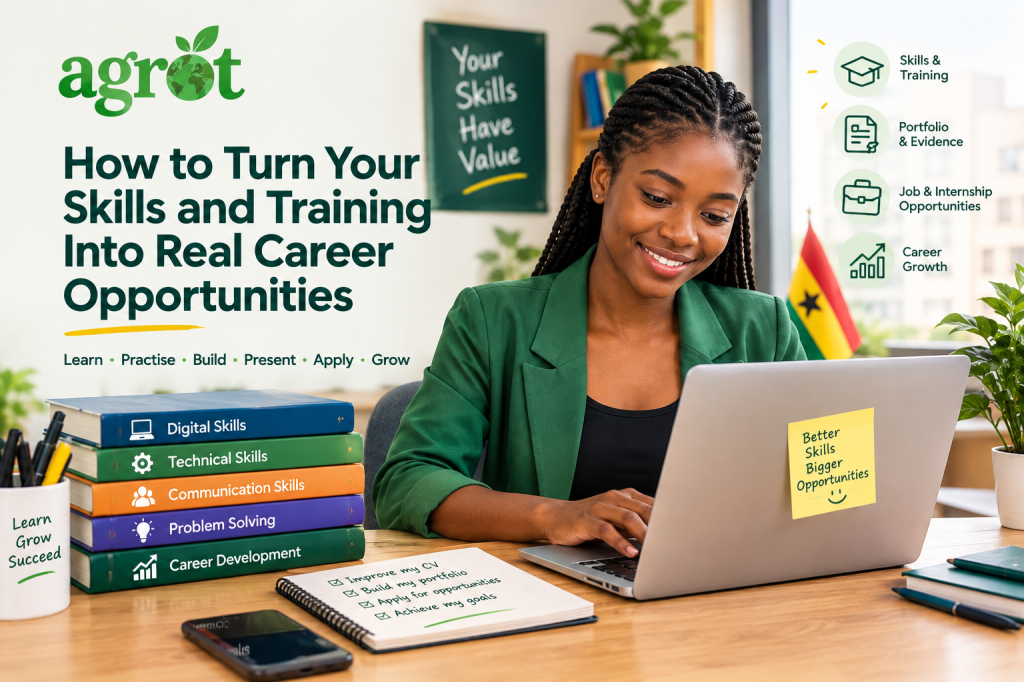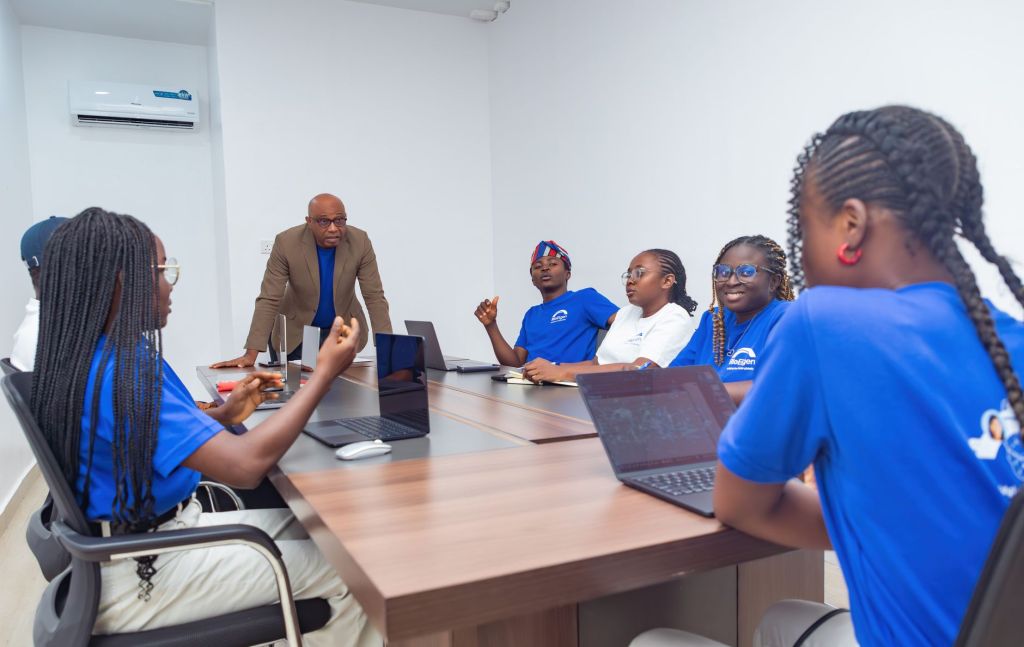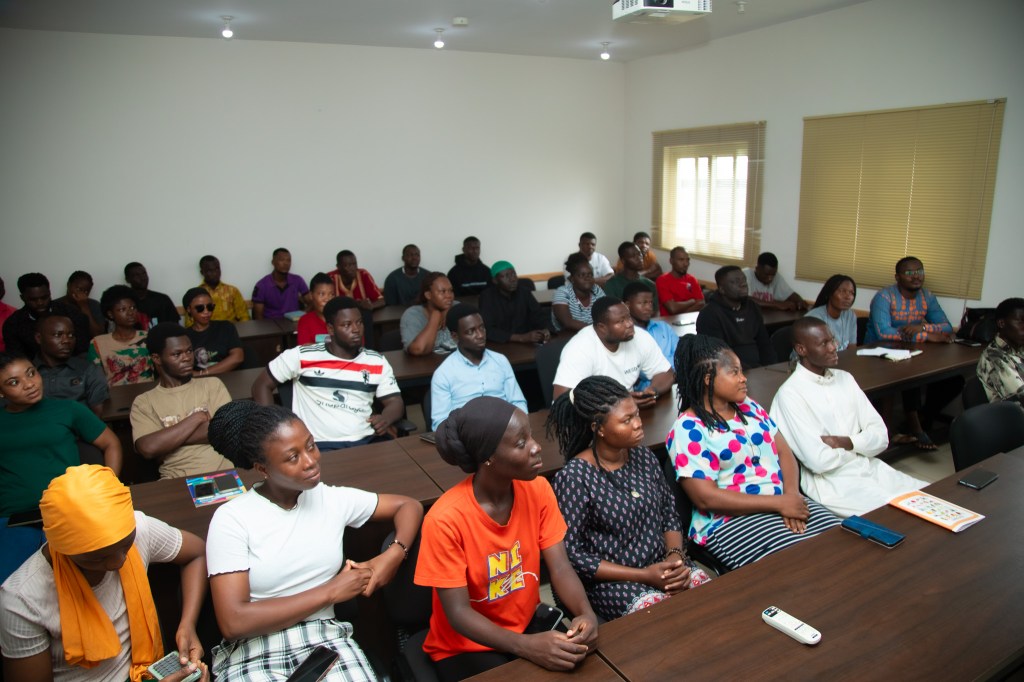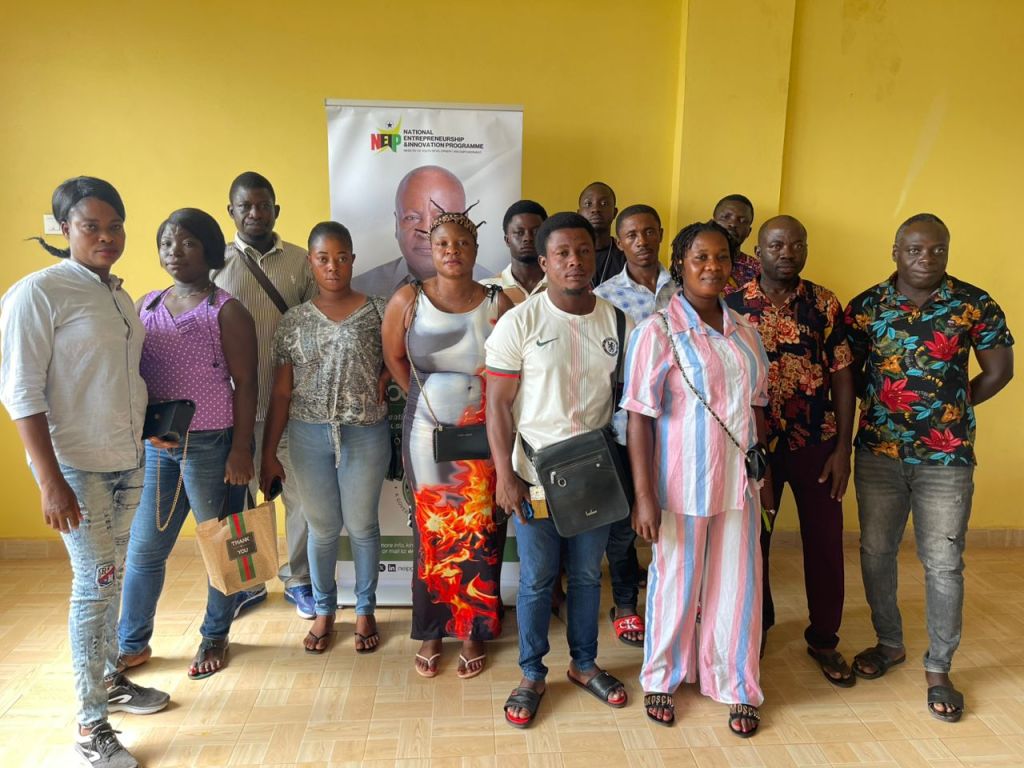

In today’s economy, having a skill is no longer enough.
Across Ghana and beyond, many young people are investing time in learning, taking courses, watching tutorials, and improving themselves. Yet, despite all this effort, income remains out of reach.
The problem isn’t a lack of knowledge. It’s a lack of execution.
Knowing something valuable is only the first step. The real advantage comes from understanding how to turn that skill into something people are willing to pay for.
This article breaks down practical, realistic steps to help you move from learning to earning.
Why Skills Alone Are Not Enough
There’s a growing number of young people with skills—but not enough people earning from them.
Why?
Because learning has become easier than ever, while monetizing has not.
Many fall into the trap of:
- Constantly learning without taking action
- Waiting until they feel “ready”
- Not understanding what the market actually needs
A skill without application is just potential. Income only comes when that skill solves a real problem for someone.

1. Identify a Skill People Will Pay For
Not every skill generates income immediately. The key is to focus on value-driven skills, skills that meet a clear need.
These can come from different areas:
Agriculture & Agribusiness
- Crop production
- Poultry farming
- Food processing (e.g., gari, packaged vegetables)
- Distribution and supply
Digital Skills
- Graphic design
- Video editing
- Content writing
- Social media management
Practical Services
- Repairs and maintenance
- Logistics and delivery
- Event support services
The question to ask is simple:
Who needs this, and why would they pay for it?
2. Turn Your Skill into a Product or Service
A skill becomes valuable when it is clearly defined and packaged.
Instead of saying:
“I do farming”, Say: “I supply fresh, affordable vegetables to local food vendors weekly.”
Instead of:
“I design”, Say: “I create logos and social media flyers for small businesses.”
Clarity makes it easier for people to understand what you offer, and easier for them to pay you.
3. Start Before You Feel Ready
One of the biggest barriers is hesitation.
Many young people delay starting because:
- They think they need more training
- They fear failure
- They compare themselves to experts
But income doesn’t come from perfection, it comes from action.
Start small:
- Offer your service to friends or local businesses
- Post what you do on WhatsApp status
- Talk to people in your immediate network
In Ghana, opportunities often come from visibility and relationships, not just online platforms.

4. Find Your First Paying Customer
Your first customer is the most important step.
Focus on:
- People you already know
- Local demand in your community
- Small businesses that need support
For example:
- Restaurants need consistent food supply
- Vendors need packaging and branding
- Individuals need affordable services
Don’t overcomplicate it. Your first sale is proof that your skill has value.
5. Deliver Value and Build Trust
Once you get your first opportunity, focus on doing it well.
- Deliver on time
- Exceed expectations where possible
- Be reliable
Then:
- Ask for feedback
- Collect testimonials
- Document your work (photos, results, outcomes)
Trust is what turns one job into multiple opportunities.
AgroT Hub Perspective: Combining Skills for Greater Impact
One of the biggest opportunities today lies in combining skills, especially within agriculture.
For example:
- A young farmer can process and package produce instead of selling raw
- Someone in business can use branding and marketing to increase value
- A producer can supply directly to vendors or consumers
This approach increases income potential and reduces dependency on middlemen.
At AgroT Hub, the focus is not just on learning, but on applying knowledge in ways that create real economic value.
Conclusion
The economy may be challenging, but opportunities still exist.
The difference between those who struggle and those who earn is not just skill—it is action.
You don’t need to know everything to start. You only need:
- A skill that solves a problem
- A simple way to offer it
- The willingness to begin
Start where you are. Use what you have. Improve as you go.
Because in today’s economy, the goal is not just to learn, but to apply, adapt, and earn.
If you’re ready to move from learning to earning, AgroT Hub is here to support your journey with the right knowledge, opportunities, and community.
Stay connected. Take action. Start building your income today.