In today’s rapidly changing world, young people face increasing pressure to adapt, grow, and compete in an evolving economy. Traditional education remains important, but many young people are discovering that academic qualifications alone are no longer enough to secure meaningful opportunities. Across Africa and beyond, practical skills training is becoming one of the most important tools for youth empowerment, economic growth, and sustainable community development.
As industries evolve and new opportunities emerge, the demand for practical, hands-on skills continues to grow. Young people who can solve problems, communicate effectively, think creatively, use digital tools, and adapt to changing environments are becoming increasingly valuable in today’s workforce and entrepreneurial landscape.
Practical skills training is no longer optional. It is essential.
Understanding Practical Skills Training
Practical skills training refers to learning experiences that equip individuals with real-world abilities they can apply immediately in work, business, leadership, or everyday life. Unlike purely theoretical learning, practical training focuses on action, experience, and problem-solving.
These skills may include:
- Communication and leadership skills
- Digital and technology skills
- Entrepreneurship and business development
- Financial literacy and money management
- Creative problem-solving
- Project management
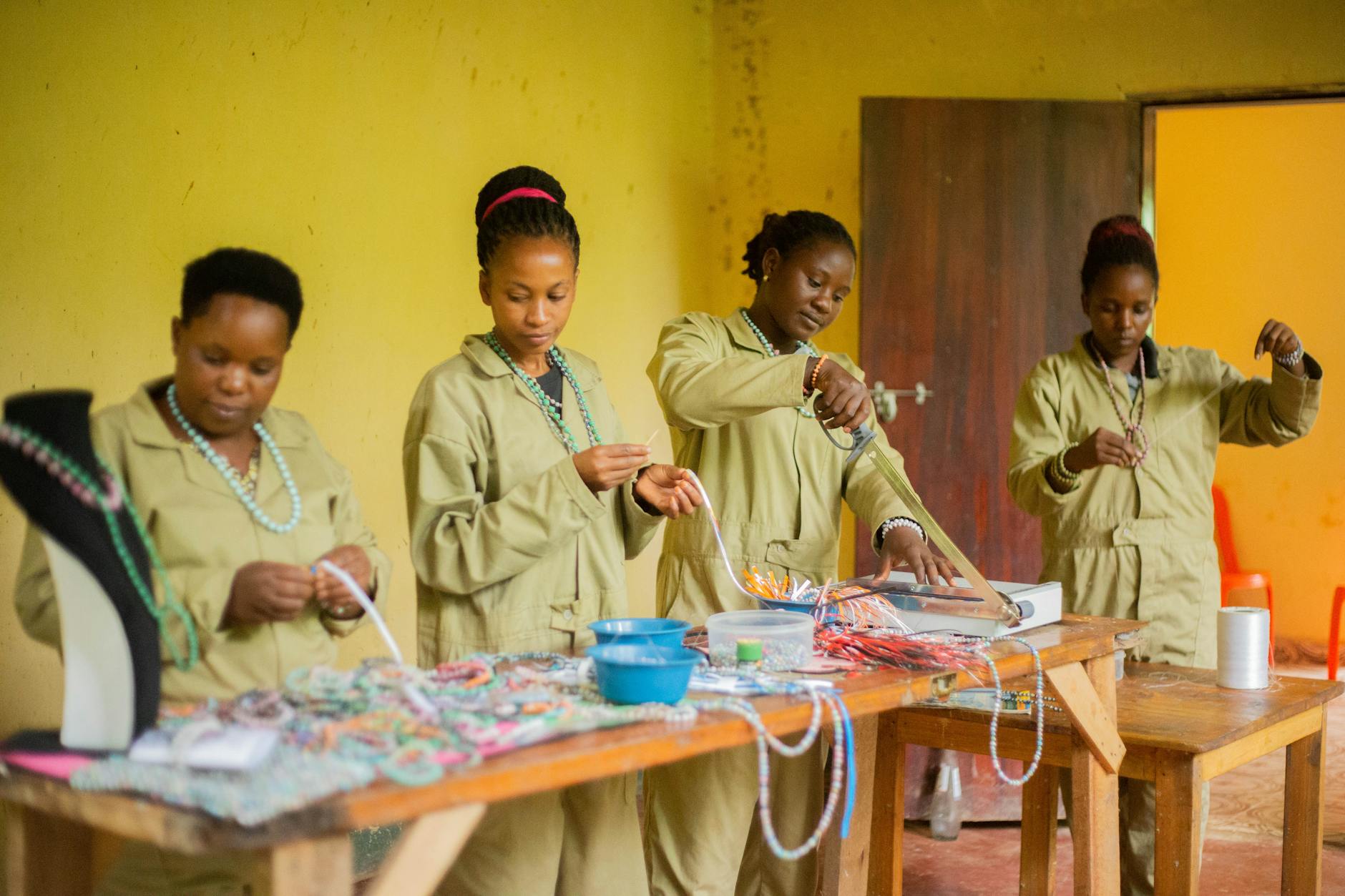
- Vocational and technical skills
- Teamwork and collaboration
- Public speaking and confidence building
- Innovation and critical thinking
Practical skills training helps young people become more prepared for both employment and entrepreneurship. It also encourages self-confidence, independence, and long-term personal growth.
The Growing Skills Gap Among Young People
One of the biggest challenges facing many young people today is the gap between formal education and real-world opportunities. Many graduates leave school with theoretical knowledge but limited practical experience.
At the same time, employers, organizations, and communities increasingly seek individuals who can contribute immediately, adapt quickly, and solve problems creatively.
This growing skills gap has contributed to:
- High youth unemployment
- Underemployment
- Limited entrepreneurial growth
- Reduced economic participation
- Lack of confidence among young people
- Difficulty transitioning from school to work
For many young people, the challenge is not a lack of potential. The challenge is limited access to practical opportunities that help them develop relevant and applicable skills.
Why Practical Skills Matter in Today’s Economy
The global economy is changing rapidly due to technology, innovation, remote work, and digital transformation. Many traditional career paths are evolving, while entirely new opportunities continue to emerge.
Young people who possess practical skills are often better equipped to navigate these changes successfully.
1. Practical Skills Increase Employability
Organizations today value individuals who can communicate effectively, work in teams, solve problems, and adapt to changing responsibilities. Practical skills training helps young people become job-ready and more competitive in the labor market.
Even when technical qualifications are similar, employers often choose candidates with stronger interpersonal, leadership, and problem-solving abilities.
2. Practical Skills Support Entrepreneurship
Many young people are now exploring entrepreneurship as a pathway toward financial independence and community impact. Starting and managing a business requires more than just ideas. It requires planning, communication, resilience, creativity, and financial management.
Practical skills training helps aspiring entrepreneurs develop the confidence and capabilities needed to identify opportunities, manage challenges, and grow sustainable ventures.
3. Practical Skills Encourage Innovation
Innovation thrives when people are empowered to think creatively and solve problems effectively. Communities benefit when young people can create solutions that respond to local challenges and opportunities.
Whether through technology, education, social enterprises, creative industries, or community projects, practical skills training helps young people transform ideas into action.
4. Practical Skills Promote Sustainable Livelihoods
Sustainable livelihoods depend on adaptability, continuous learning, and the ability to respond to changing economic conditions. Young people with practical skills are often better positioned to diversify their income sources, pursue multiple opportunities, and remain resilient during economic uncertainty.
This is especially important in developing economies where flexibility and innovation can create new pathways toward growth and stability.
The Importance of Community-Based Skills Training
Community-based training initiatives play a major role in creating accessible opportunities for young people. When training programs are rooted in local realities and community needs, they often produce more meaningful and lasting impact.
Community-focused skills development can:
- Increase access to opportunities
- Support marginalized groups
- Encourage collaboration and inclusion
- Build local leadership
- Strengthen social and economic development
- Empower young people to contribute positively to their communities
Organizations that invest in practical skills training help create environments where young people can discover their strengths, build confidence, and pursue meaningful goals.

Digital Skills and the Future of Work
Digital transformation continues to shape the future of work across Africa and the world. From communication and marketing to remote work and entrepreneurship, digital skills are becoming increasingly important for young people.
Skills such as:
- Digital communication
- Social media management
- Graphic design
- Content creation
- Data analysis
- Online collaboration
- Basic coding and technology literacy
are opening doors to new forms of employment and entrepreneurship.
Young people who develop digital skills are better positioned to participate in the modern economy, access global opportunities, and remain competitive in a fast-changing world.
Empowering Youth Through Skills and Opportunity
Youth empowerment goes beyond employment alone. It involves creating opportunities for young people to grow personally, contribute meaningfully, and build sustainable futures.
Practical skills training empowers young people by helping them:
- Build self-confidence
- Develop leadership abilities
- Improve decision-making skills
- Become more independent
- Contribute to community development
- Pursue long-term personal and professional growth
When young people are empowered with relevant skills and opportunities, communities also benefit through increased innovation, productivity, and social progress.
The Role of Organizations in Skills Development
Organizations, institutions, and community initiatives have an important role to play in supporting youth development and skills training.
This can include:
- Mentorship programs
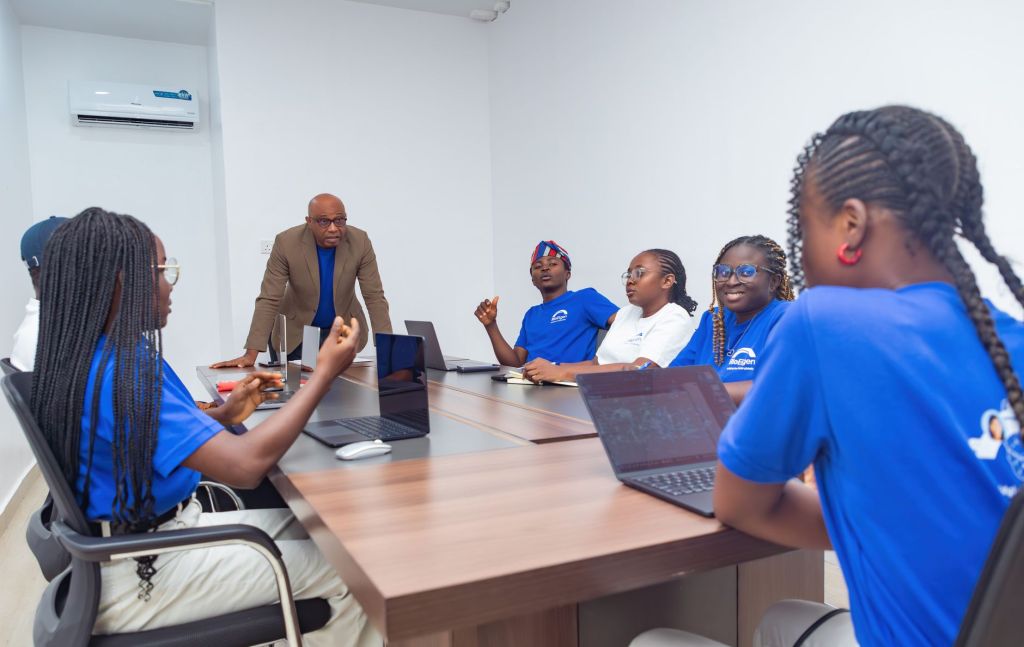
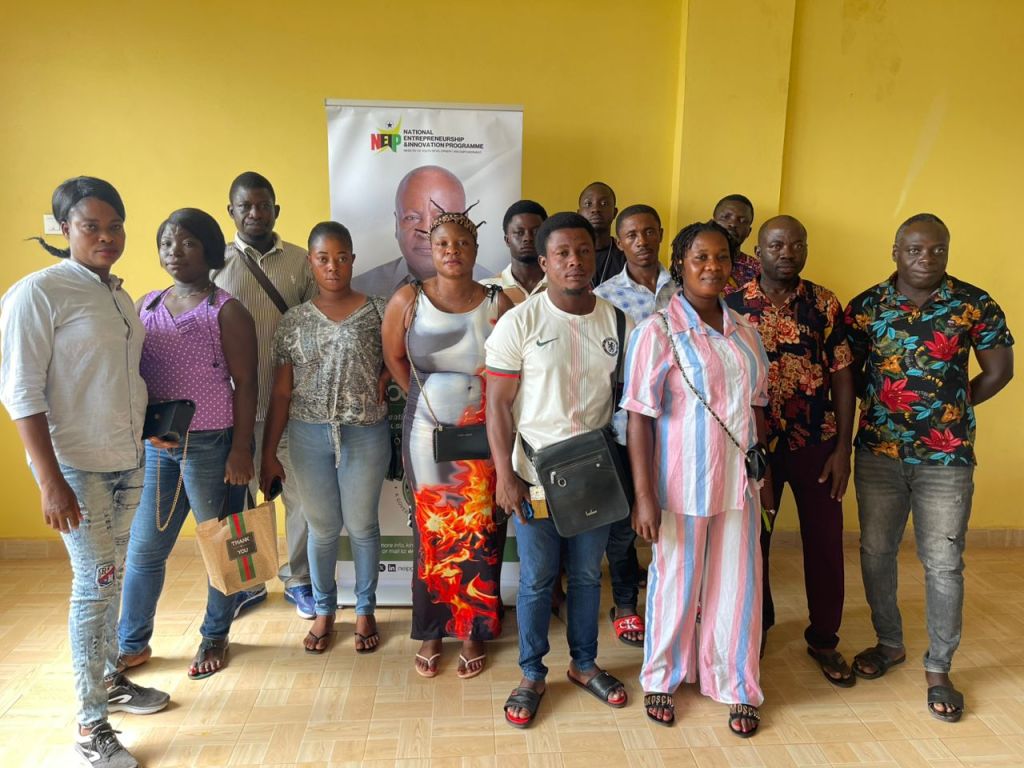
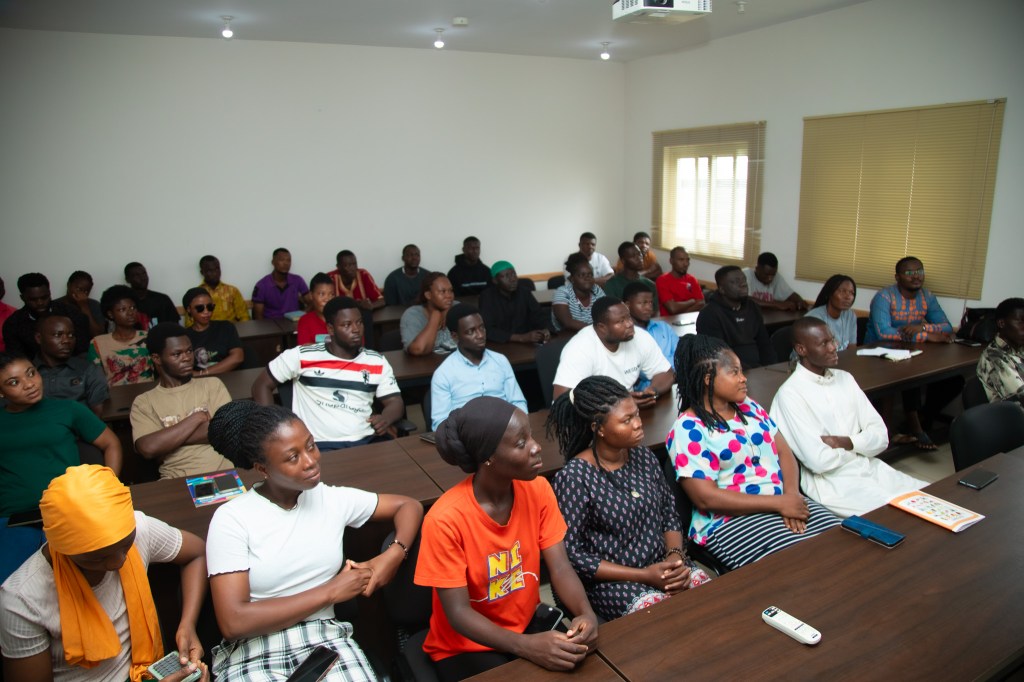
- Workshops and training sessions
- Entrepreneurship support
- Internship opportunities
- Leadership development initiatives
- Community engagement projects
- Innovation and technology training
Investing in young people is an investment in the future. By creating accessible learning opportunities and encouraging practical development, organizations can help build stronger and more resilient communities.
Looking Ahead
As the world continues to evolve, practical skills training will remain one of the most powerful tools for youth empowerment and sustainable development.
Young people need more than information. They need opportunities to apply knowledge, solve problems, build confidence, and prepare for real-world challenges.
Practical skills training equips young people not only to survive in a changing economy, but also to lead, innovate, and create lasting impact within their communities.
The future belongs to young people who are prepared to learn continuously, adapt confidently, and turn their skills into meaningful opportunities.
Conclusion
Practical skills training is becoming increasingly important for young people in today’s world. As industries evolve and economic challenges continue to change, young people need access to opportunities that prepare them for employment, entrepreneurship, leadership, and community impact.
By investing in practical skills development, communities and organizations can help create pathways toward sustainable livelihoods, innovation, and long-term growth.
Empowering young people with relevant skills is not just about preparing them for work. It is about preparing them to shape the future.