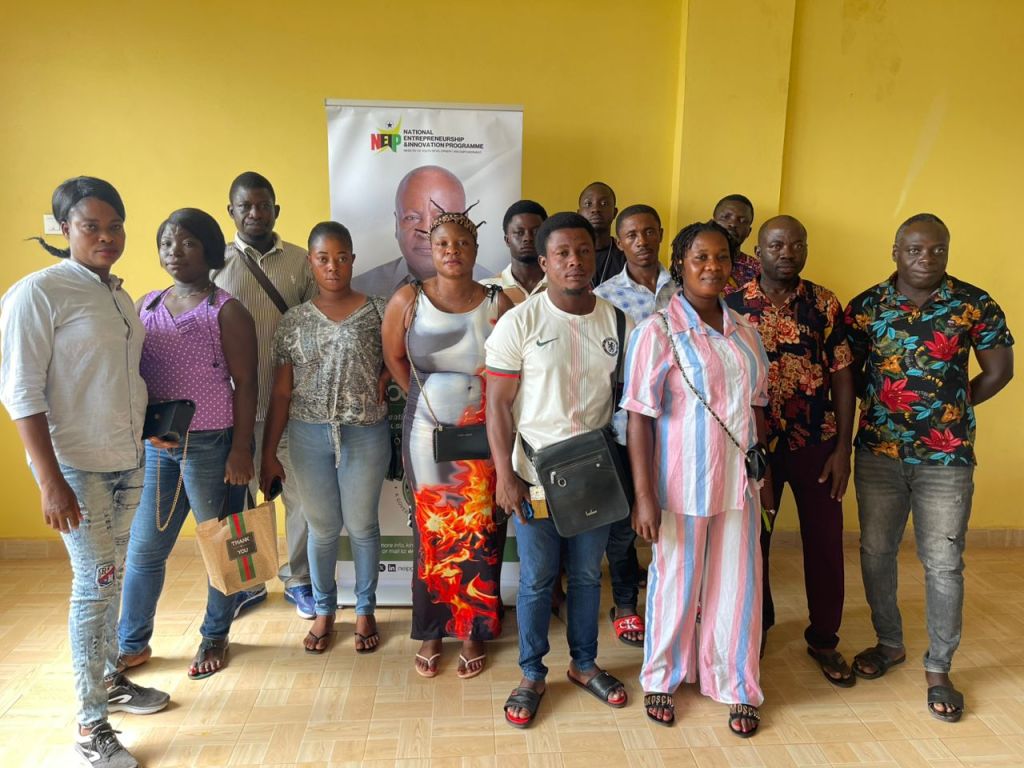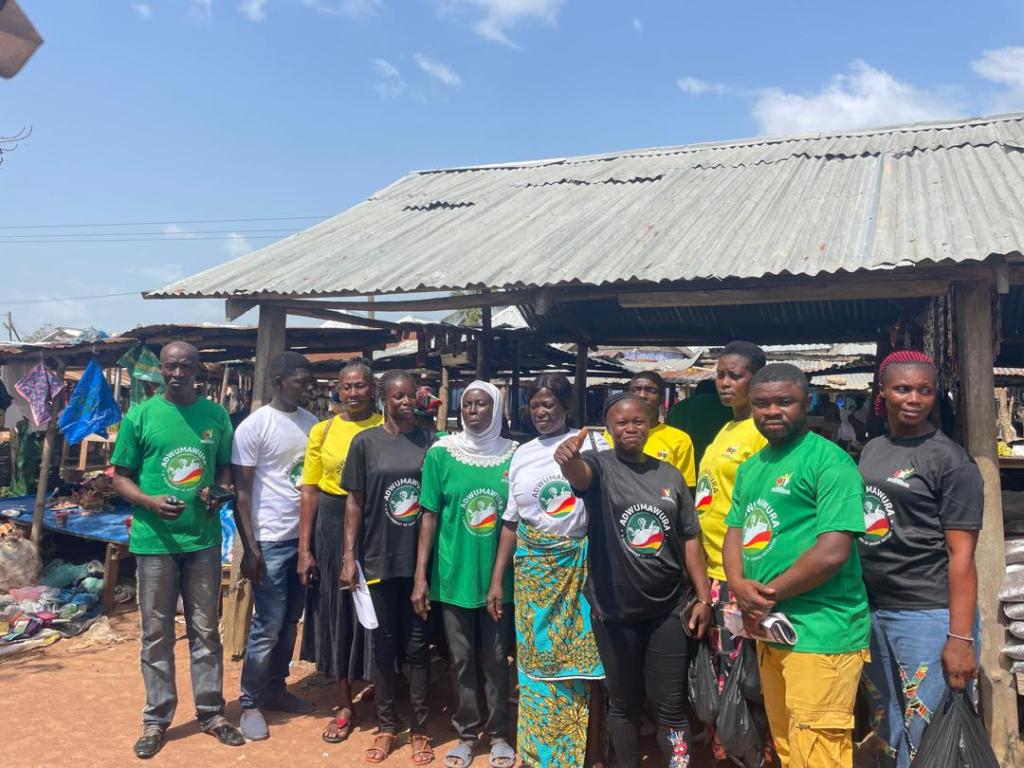
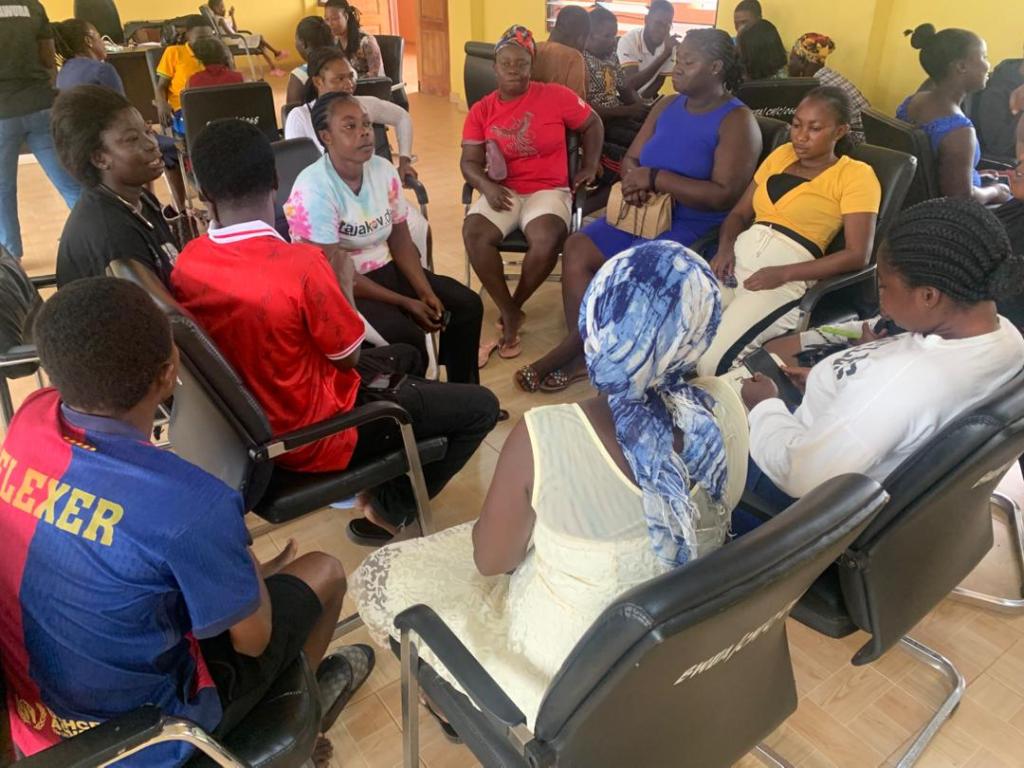
January marks a time of renewed focus and fresh beginnings. For many young people—particularly women and persons with disabilities—it is a moment to reflect on past challenges and take intentional steps toward building sustainable livelihoods.
As we move deeper into 2026, the question is no longer whether young people are capable, but whether they are being equipped with the right skills to thrive in a changing economic landscape.
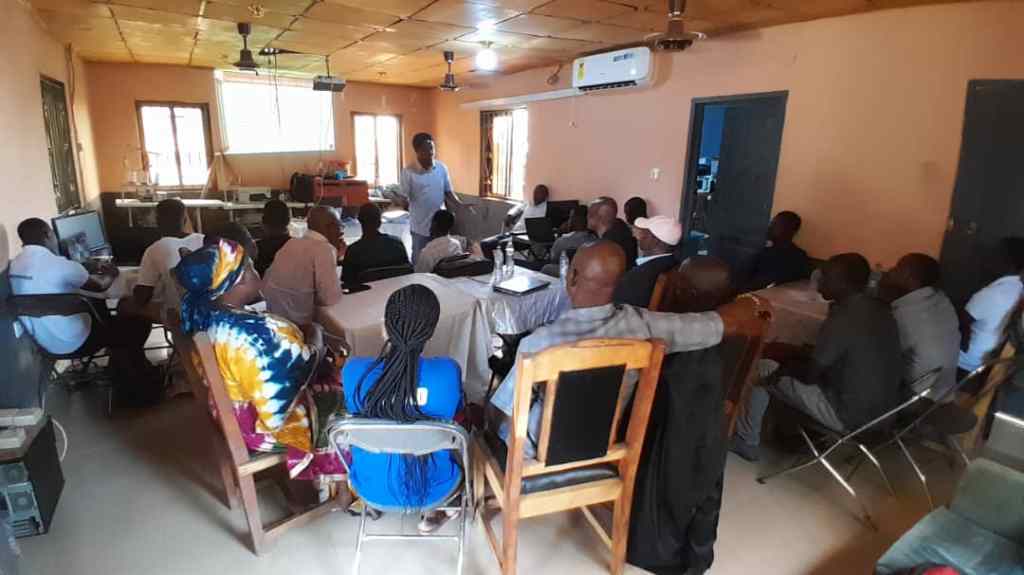
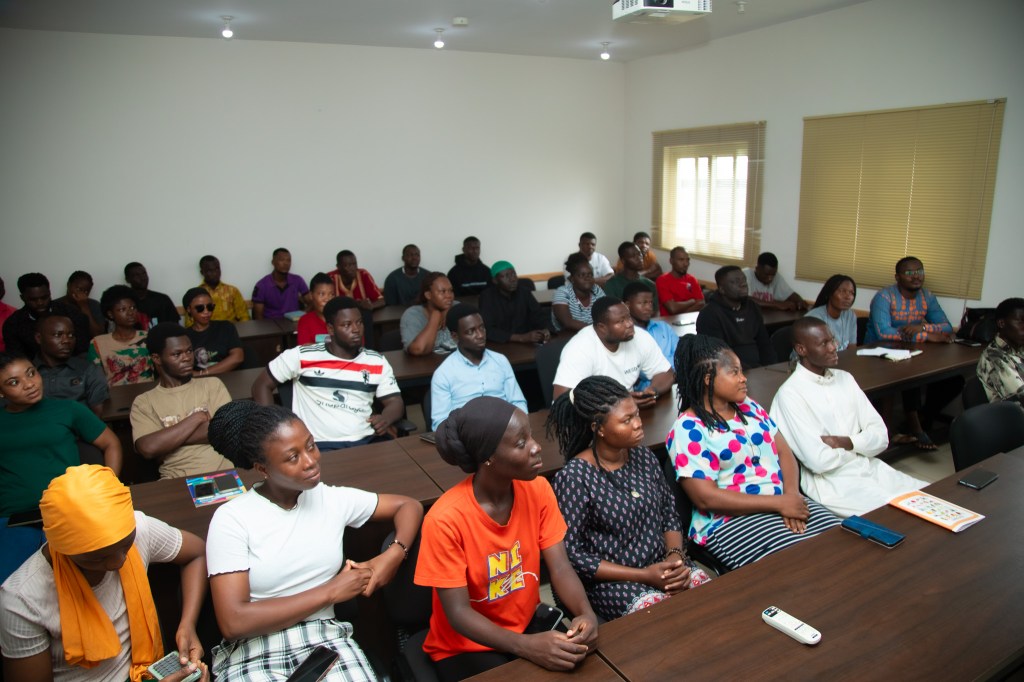
At AgroT Hub, we believe sustainable livelihoods are built through practical skills, inclusive training, and continuous support.
Why Skills Matter at the Start of the Year
The beginning of the year is often when goals are set and plans are made. However, without the skills to execute those plans, progress remains limited. Skills enable young people to turn ideas into action, adapt to challenges, and create income opportunities that can be sustained over time.
In today’s economy, success is increasingly defined by practical knowledge, problem-solving ability, and adaptability—across agriculture, entrepreneurship, and other livelihood pathways.
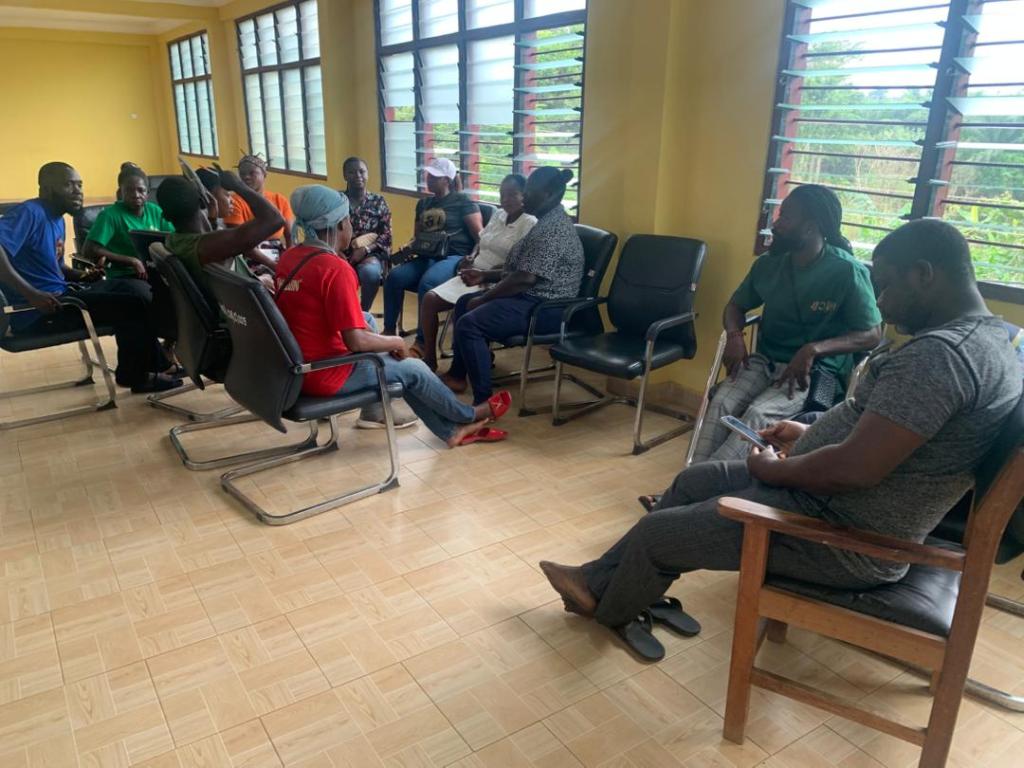
Essential Skills for Building Sustainable Livelihoods
1. Problem-Solving and Critical Thinking
Young people need to identify real needs within their communities and respond with practical, viable solutions. This skill supports innovation and informed decision-making across all sectors.
2. Financial Literacy and Resource Management
Understanding budgeting, record keeping, pricing, and saving is fundamental. Financial literacy helps young people manage limited resources effectively and plan for growth.
3. Digital and Technology Skills
Digital tools continue to shape how people access information, markets, and services. Skills such as digital marketing, mobile technology use, and online communication increase visibility and efficiency.
4. Communication and Relationship-Building
Clear communication, customer engagement, and collaboration are essential for sustaining businesses, partnerships, and community initiatives.
5. Adaptability and Resilience
Economic uncertainty, climate impacts, and market shifts require young people to remain flexible. The ability to learn, adjust, and persist is critical for long-term livelihood sustainability.
Starting the Year with Inclusion at the Center
For skills development to be meaningful, it must be accessible and inclusive. Women and persons with disabilities often face systemic barriers that limit access to training and economic opportunities.
AgroT Hub is committed to inclusive skills development that recognizes diverse needs and creates equitable pathways for participation and growth.
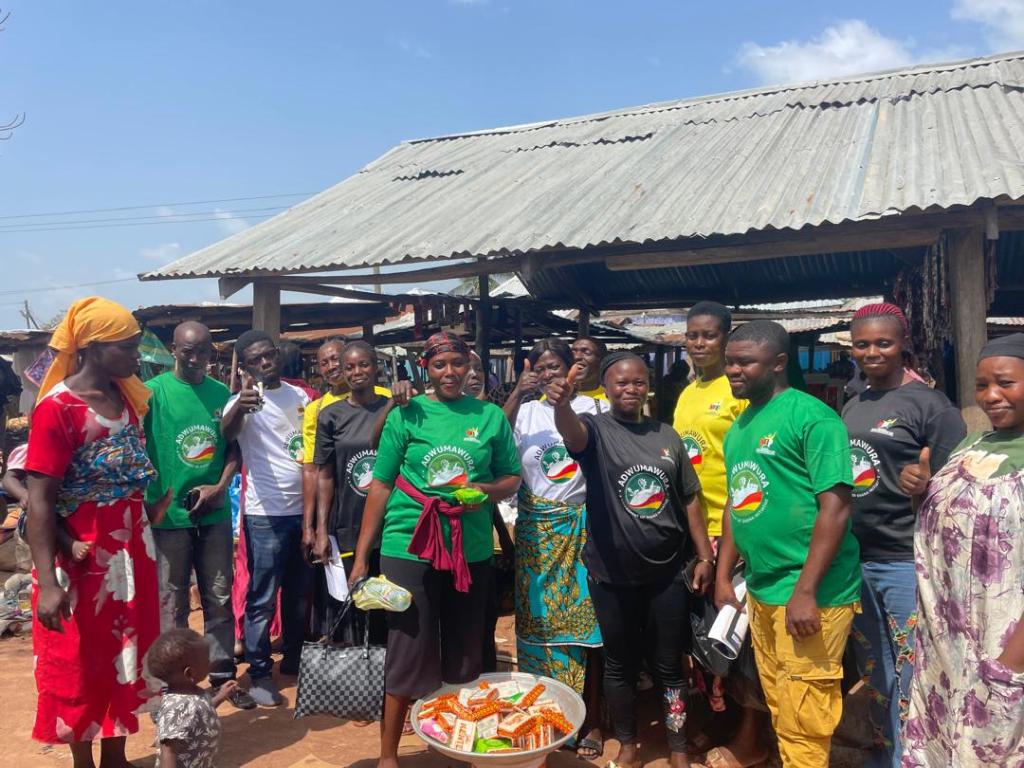
Turning Skills into Action in 2026
With the right skills, young people can:
- Launch or strengthen income-generating activities
- Participate more effectively in agricultural and non-agricultural value chains
- Create sustainable businesses rooted in their local contexts
- Build resilience and long-term economic independence
January is not just a time for planning, it is a time for action.
AgroT Hub’s Role Going Forward
In 2026, AgroT Hub continues to support young people through:
- Practical entrepreneurship and livelihood skills training
- Inclusive programs for women and persons with disabilities
- Mentorship, peer learning, and community engagement
- Connecting skills development to real economic opportunities
Our focus remains on empowering young people to build sustainable livelihoods that support themselves, their families, and their communities.
Call to Action
Whether you are a young person seeking skills, a partner interested in collaboration, or a supporter of inclusive development, we invite you to engage with AgroT Hub and be part of creating lasting impact in 2026.
Join AgroT Hub’s skills development and entrepreneurship programs designed to support young people, women, and persons with disabilities in building sustainable livelihoods.