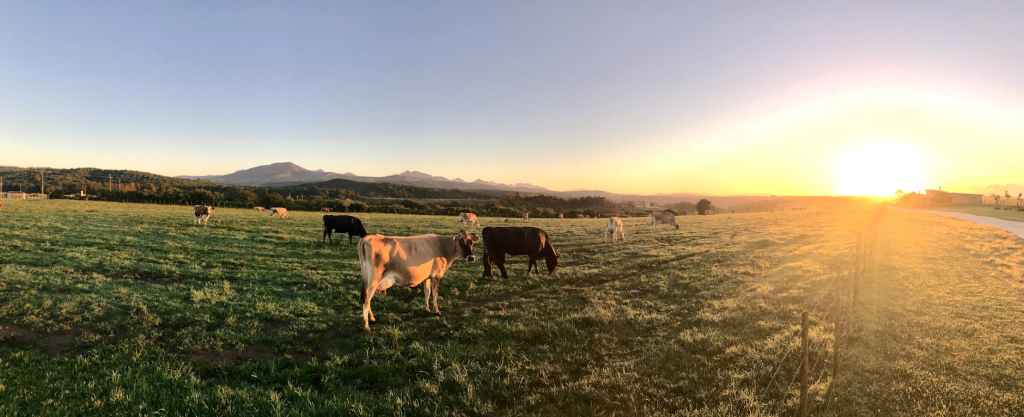
Cattle farming has long been an integral part of Ghana’s agricultural landscape, shaping livelihoods, cultural traditions, and local economies across the northern and savannah regions. Yet, despite its importance, the cattle industry remains one of the most underdeveloped segments of Ghana’s agricultural economy. Fragmented production systems, limited infrastructure, and recurrent farmer–herder conflicts continue to undermine its full potential.
However, the tide is beginning to turn. With rising demand for meat and dairy, new opportunities in agribusiness, and growing policy attention, Ghana stands at a defining moment to modernize and expand its cattle industry in sustainable and inclusive ways.
The Current Landscape of Cattle Farming in Ghana
According to Ghana’s Ministry of Food and Agriculture (MoFA), livestock contributes roughly 7–9% of the agricultural GDP, with cattle forming a major component. Most cattle are reared in the Northern, Savannah, and Upper East Regions, where open rangelands and traditional pastoral systems dominate.
Despite this, the majority of cattle producers operate at a smallholder or subsistence level, with limited access to veterinary services, improved breeds, or commercial markets. This results in low productivity, the average off-take rate and milk yield remain well below regional benchmarks.
Compounding these challenges are climate change, encroachment on grazing lands, and persistent tension between herders and crop farmers. Yet within these challenges lie the seeds of opportunity for transformation.
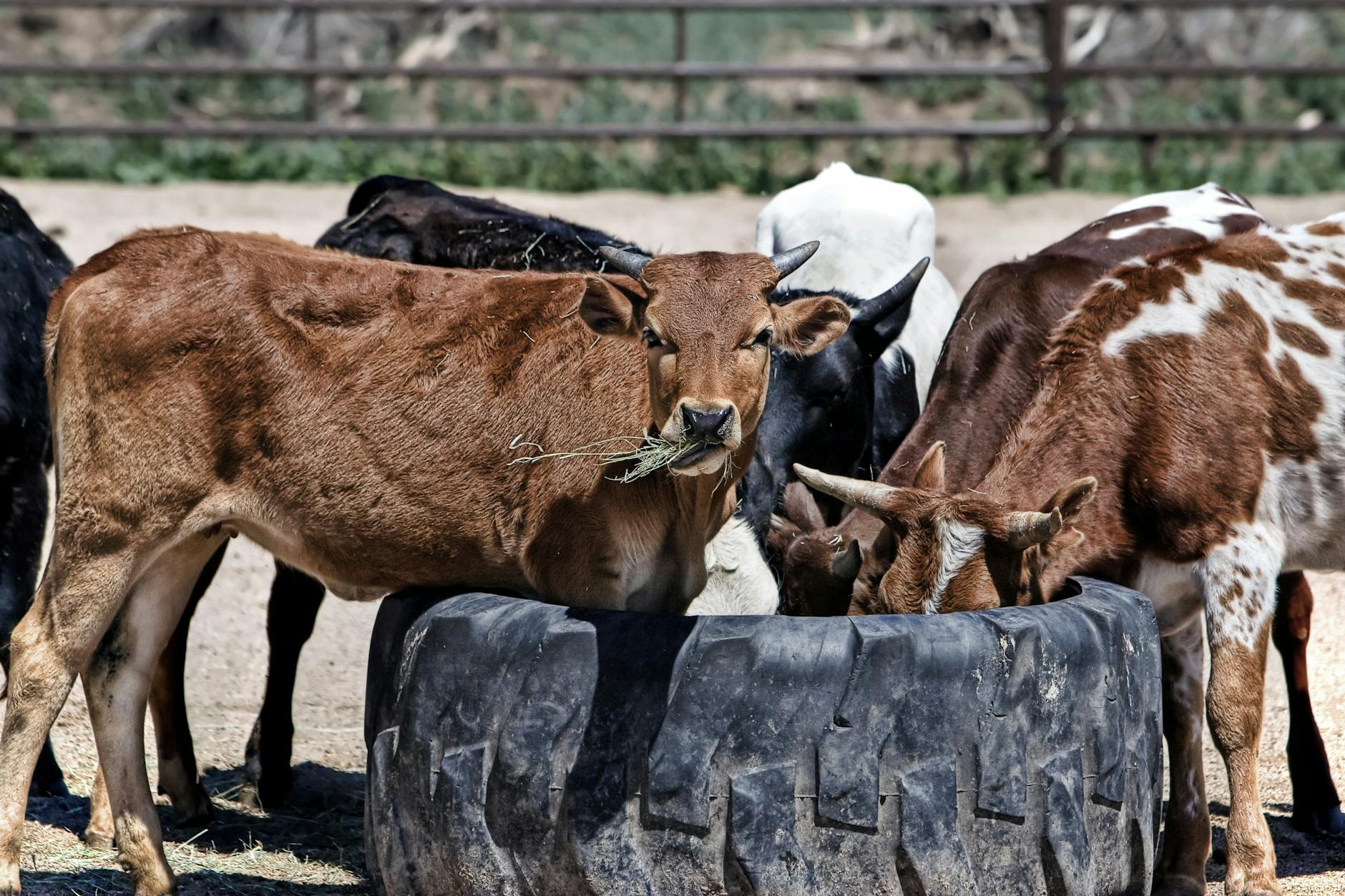
Key Challenges Facing the Sector
Feed and Water Scarcity
Seasonal fluctuations make it difficult to maintain consistent feed and water supply, particularly during the dry season. Most farmers depend on natural pastures, which are becoming increasingly degraded.
Limited Veterinary and Extension Services
Inadequate animal health systems mean diseases such as CBPP and foot-and-mouth continue to cause significant losses. Access to qualified veterinary officers is still limited in many rural areas.
Low Genetic Potential
Local breeds, while hardy, often yield low meat and milk output. Efforts to improve genetics through crossbreeding and artificial insemination have been slow to scale.
Market and Infrastructure Gaps
Weak cold-chain systems, poor roads, and limited access to finance make it difficult for farmers to connect to profitable markets or process their products efficiently.
Conflict and Land Use Competition
Disputes between herders and crop farmers over grazing routes remain a recurring challenge, affecting both food security and rural stability.
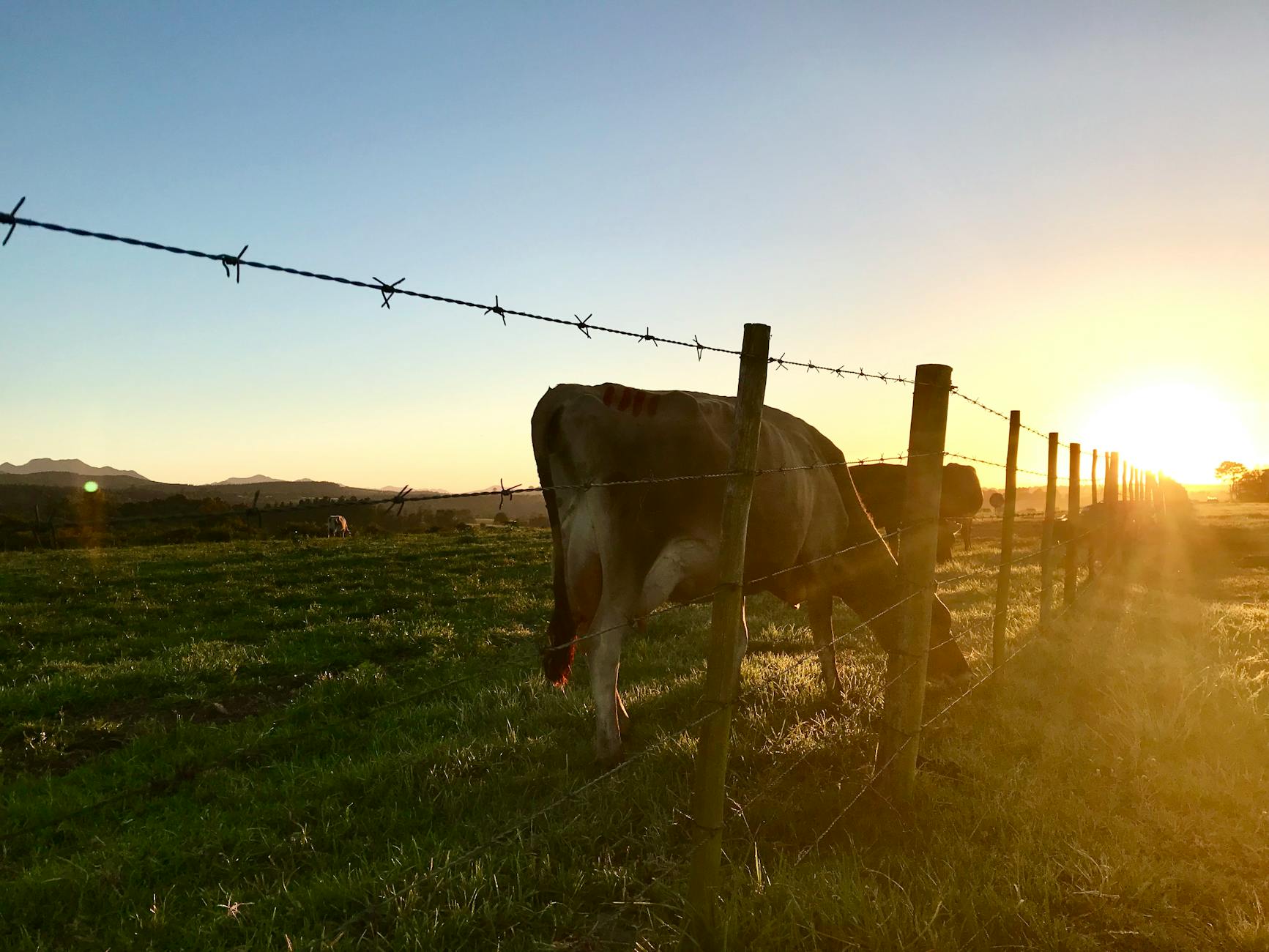
Emerging Opportunities for Sustainable Growth
Despite these structural challenges, the cattle industry is far from stagnant. Across Ghana, there is growing momentum for innovation, investment, and sustainability in livestock systems.
Climate-Smart Livestock Practices
Adopting climate-resilient strategies such as rotational grazing, fodder conservation, and the use of drought-tolerant forage crops can help farmers manage feed shortages while protecting rangelands. Development partners and NGOs are already piloting these systems in parts of Northern Ghana.
Feed and Breed Innovation
Feed manufacturing using agricultural by-products (like maize bran or soybean residue) is gaining traction, offering affordable alternatives to traditional feed sources. Meanwhile, research institutions like the Animal Research Institute (ARI) are exploring improved crossbreeds that combine local adaptability with higher productivity.
Investment in Processing and Value Addition
Opportunities abound in meat processing, leather tanning, and dairy production. With urbanization and dietary shifts driving demand, investors can tap into a growing market for locally sourced beef and milk products. Strengthening processing facilities and cold chains can also create jobs and reduce post-harvest losses.
Youth and Technology in Livestock Agribusiness
A new generation of young agripreneurs is bringing digital solutions into livestock management, from mobile vet apps and drone monitoring to digital marketplaces for feed and breeding services. Encouraging youth participation through training and access to finance will be critical to sustaining long-term growth.
Regional Trade and Market Integration
Ghana’s location within ECOWAS presents an opportunity to become a regional hub for livestock trade. By harmonizing animal health standards and improving border infrastructure, Ghana can tap into lucrative cross-border markets while reducing reliance on imports.
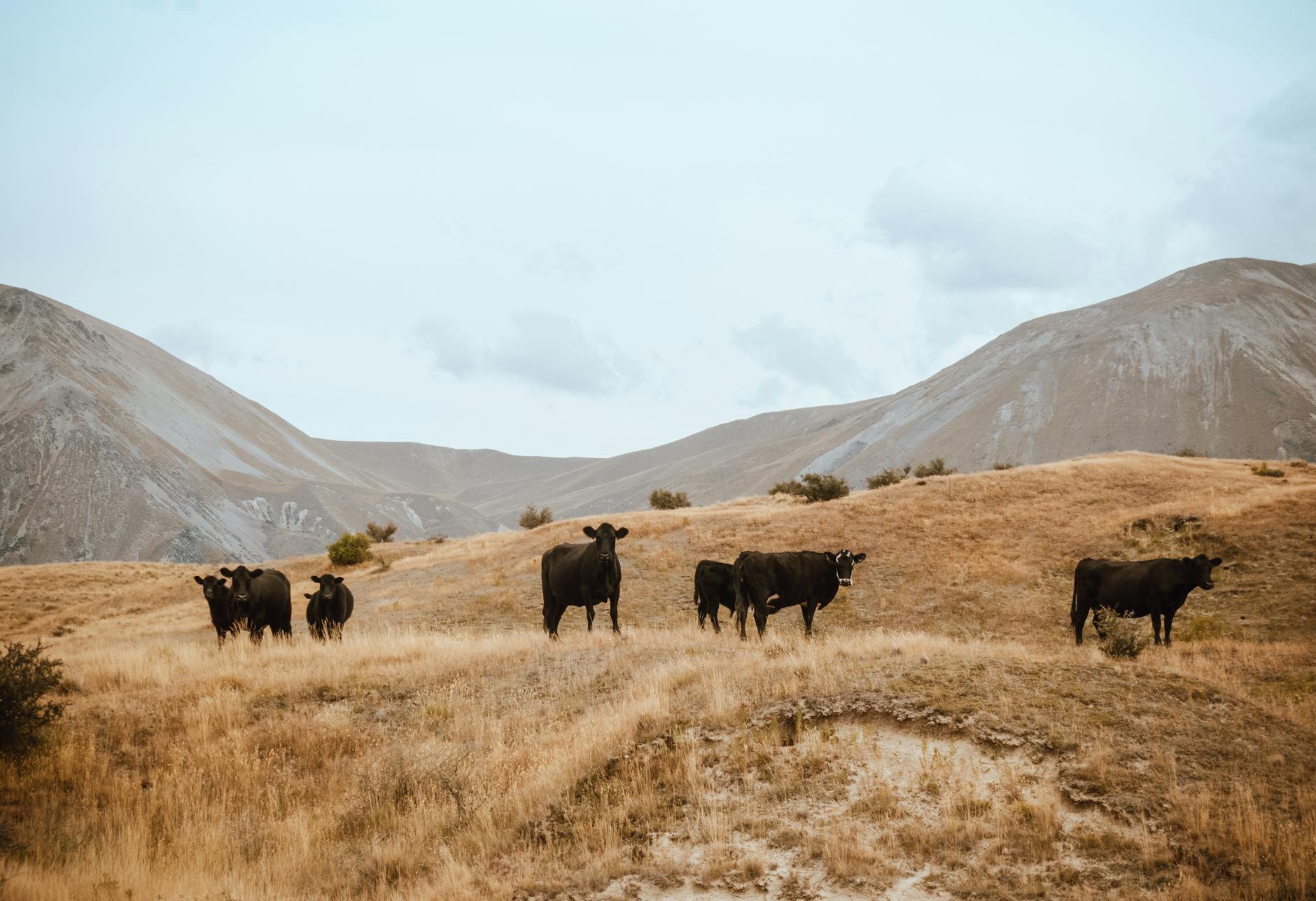
Policy and Institutional Support
Government initiatives such as the Rearing for Food and Jobs (RFJ) program have begun to reposition livestock within national agricultural policy. The focus on breed improvement, veterinary extension, and private-sector participation marks a step in the right direction.
However, sustained progress will require:
- Public-private partnerships to invest in feed mills, abattoirs, and dairy plants.
- Research and data systems to track animal populations, disease patterns, and market trends.
- Community-based rangeland management to reduce farmer-herder conflicts.
- Incentives for youth and women to participate in livestock value chains.
The goal should not only be to increase herd size, but to build a resilient, profitable, and sustainable cattle industry that contributes to food security, job creation, and export growth.
Conclusion: A Call for Strategic Transformation
Reviving Ghana’s cattle industry is not just about producing more livestock, it’s about rethinking how livestock systems can work for people, planet, and profit. The future lies in balancing traditional wisdom with modern innovation; empowering smallholders while attracting private investment; and ensuring environmental sustainability alongside economic growth.
If these pathways are pursued strategically, Ghana could not only meet its domestic meat and dairy needs but also position itself as a key livestock hub within West Africa. The time to act is now, to invest, innovate, and reimagine the cattle industry as a cornerstone of Ghana’s sustainable agricultural future.