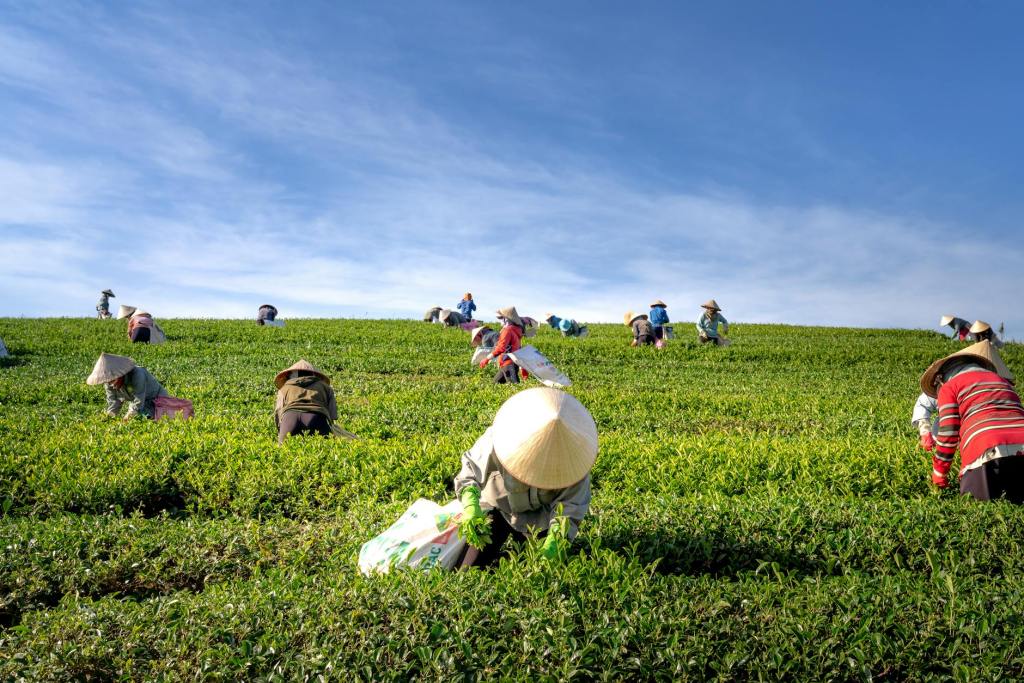
Agriculture has always been the backbone of Ghana’s economy, employing nearly half of the workforce and sustaining millions of livelihoods[1]. Yet, the sector is under immense pressure. Climate change, declining soil fertility, youth migration to urban areas, and limited market access threaten the resilience of farmers and food security alike.
While farmers remain at the frontline, the future of agriculture in Ghana depends heavily on the policies that guide the sector and the investments that bring innovation to life[2]. For farming to become more sustainable, productive, and inclusive, Ghana needs a strategic blend of both.
At AgroT Hub, we believe that shaping this future requires not just individual action but strong partnerships between farmers, policymakers, and investors.
Why Policy Matters in Agriculture
Policies define the rules of the game in agriculture. They determine who has access to land, how inputs are subsidized, which innovations are supported, and whether farmers receive the training they need to adapt.
- Supportive policies enable farmers to adopt regenerative agriculture, climate-smart practices, and digital tools.
- Weak or unclear policies create uncertainty, discourage investment, and limit farmer progress.
A sustainable agricultural future requires policies that prioritize resilience, inclusivity, and innovation.
Priority Policy Areas
Land Tenure Security
Farmers are more likely to invest in soil restoration, irrigation, or agroforestry if they feel secure in their land rights. Strengthening tenure systems encourages long-term, sustainable land use.
Reforming Subsidies
Traditional input subsidies such as for chemical fertilizers, may increase yields temporarily but can degrade soil in the long run. Redirecting support toward organic inputs, soil health programs, and regenerative methods ensures lasting benefits.
Research & Extension Services
Agricultural extension is a lifeline for smallholder farmers. Expanding access to research-based knowledge, training, and digital advisory services ensures that innovations reach the ground.
Climate Adaptation Policies
With Ghana’s agriculture highly climate-sensitive, policies must support:
- Early warning systems for weather events.
- Improved irrigation and water management.
- Incentives for crop diversification and drought-resistant varieties.
The Role of Investment
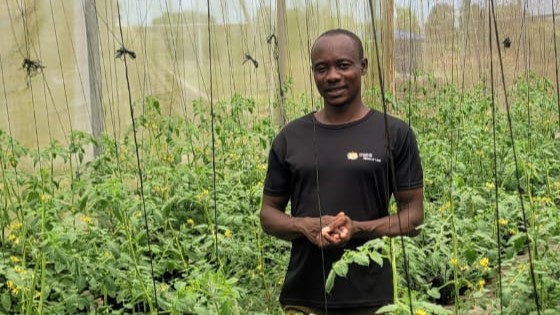
Policies create the environment, but investment powers the transformation. Ghana’s agricultural sector needs funding at every level:
- Public Investment: Building rural infrastructure such as irrigation systems, storage facilities, and transportation networks.
- Private Sector Investment: Encouraging agritech, digital platforms, livestock innovation, and processing facilities to add value locally.
- Impact Investment: Channeling funds into ventures with measurable environmental and social benefits, like climate-smart projects or youth-led agribusinesses.
- International Partnerships: Collaborations with development agencies and donor programs can accelerate knowledge transfer and provide critical financing.
The key is ensuring that investments are inclusive, supporting smallholder farmers, women, and youth rather than only large-scale players.
Bridging Policy & Investment with Farmers’ Realities
Policies and investment strategies only succeed if they connect with the realities on the ground. For Ghana’s farmers, the priorities are often simple: secure land, affordable credit, fair market access, and resilience to shocks[3].
Examples of success include:
- Cooperatives accessing microcredit to scale sustainable practices.
- Youth agripreneurs leveraging seed funding to build tech-driven agribusinesses.
- Women-led initiatives thriving when policies intentionally promote gender inclusion.
By listening to farmers and designing with them, not just for them, Ghana can achieve a truly sustainable agricultural model.
AgroT Hub’s Perspective
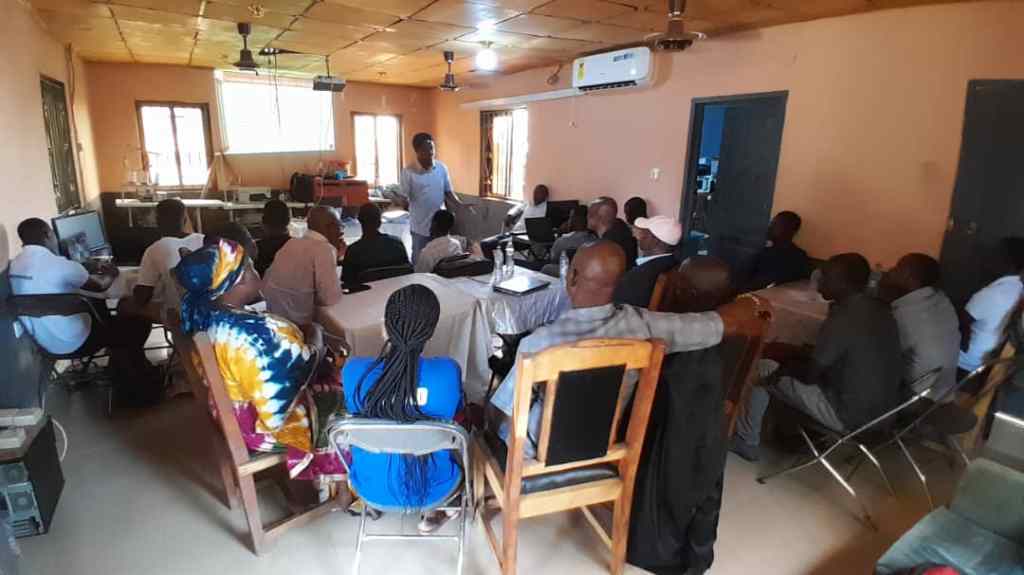
AgroT Hub is committed to being a bridge between farmers, innovators, and decision-makers. Our work focuses on:
- Capacity Building: Training farmers in regenerative, climate-smart, and innovative practices.
- Innovation Pilots: Testing new models that blend tradition with technology.
- Engagement & Advocacy: Bringing farmers’ voices into policy conversations.
- Partnerships: Linking investors and institutions with grassroots projects that deliver impact.
We believe that sustainable agriculture is not only about growing food, it is about growing futures.
Conclusion
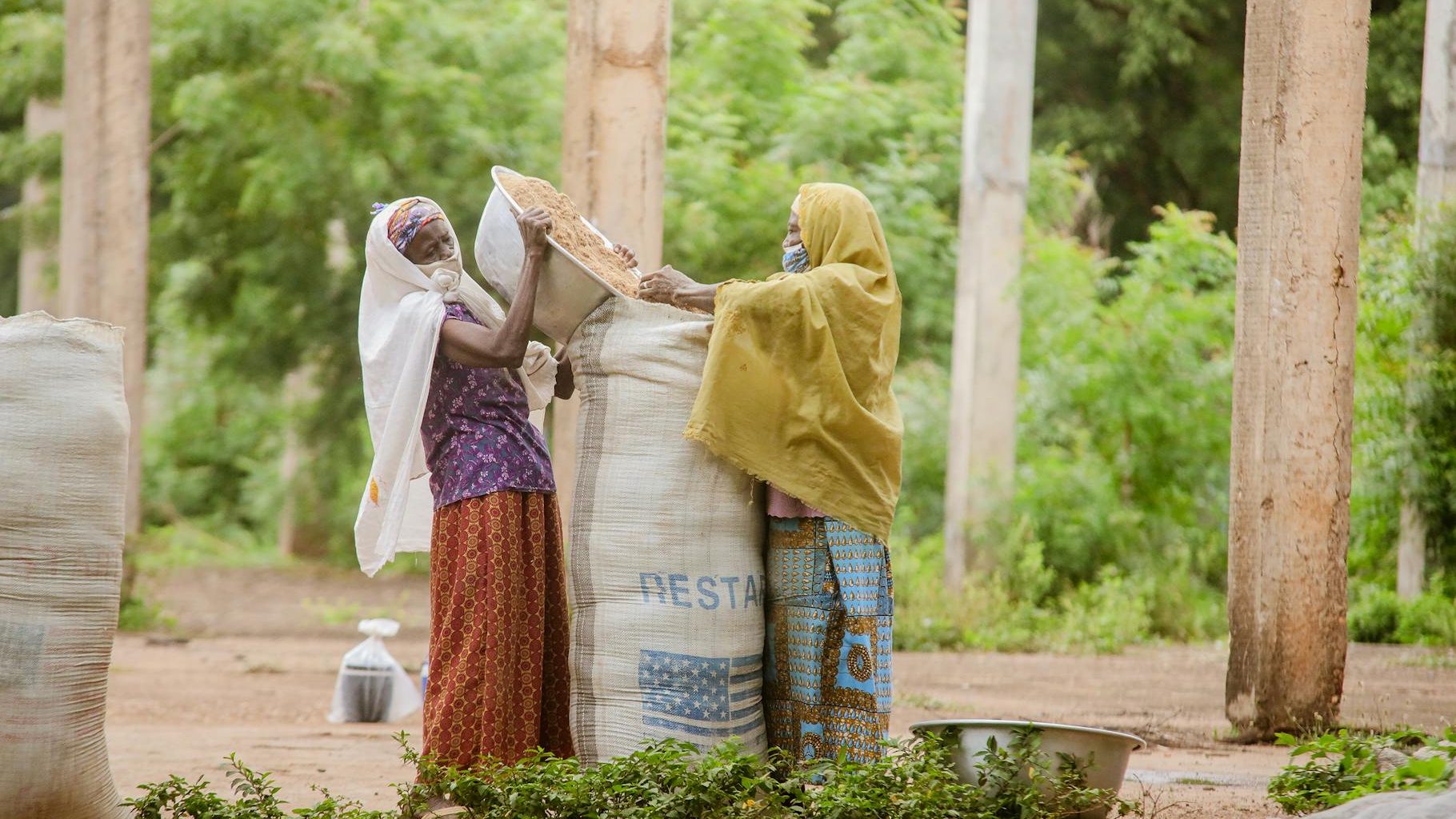
The future of Ghana’s agriculture depends on bold policies and strategic investments that empower farmers, protect natural resources, and encourage innovation.
To build resilience, inclusivity, and prosperity, all actors; farmers, policymakers, investors, and communities, must work together.
At AgroT Hub, we invite stakeholders to collaborate with us in shaping a food system that is sustainable, future-ready, and equitable for all.
Join us in building Ghana’s agricultural future, one policy, one investment, and one farmer at a time.