
The world faces immense challenges such as climate change, environmental degradation, and food safety. A new farming method, called regenerative agriculture, is gaining attention. It seeks to improve ecological health, soil quality, and biodiversity.
This approach helps capture carbon and makes farms more resilient to climate change. Farmers in Ghana and globally can help create a sustainable food system by using regenerative agriculture.
Understanding Regenerative Agriculture
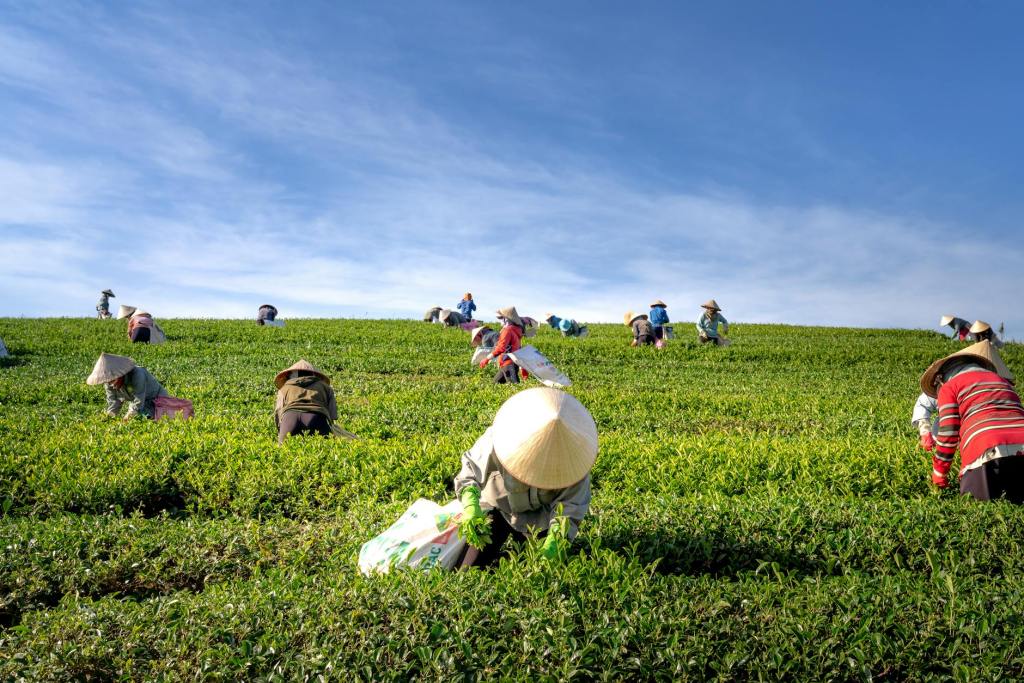
Regenerative agriculture focuses on improving soil, keeping nature in balance, and supporting many plant and animal species. It aims to improve soil health, boost farm output, and help farming be more sustainable.
Key practices include: not tilling the soil much, planting cover crops, and adding organic materials. These steps help the soil to stay healthy, hold more organic matter, and support good microbes.
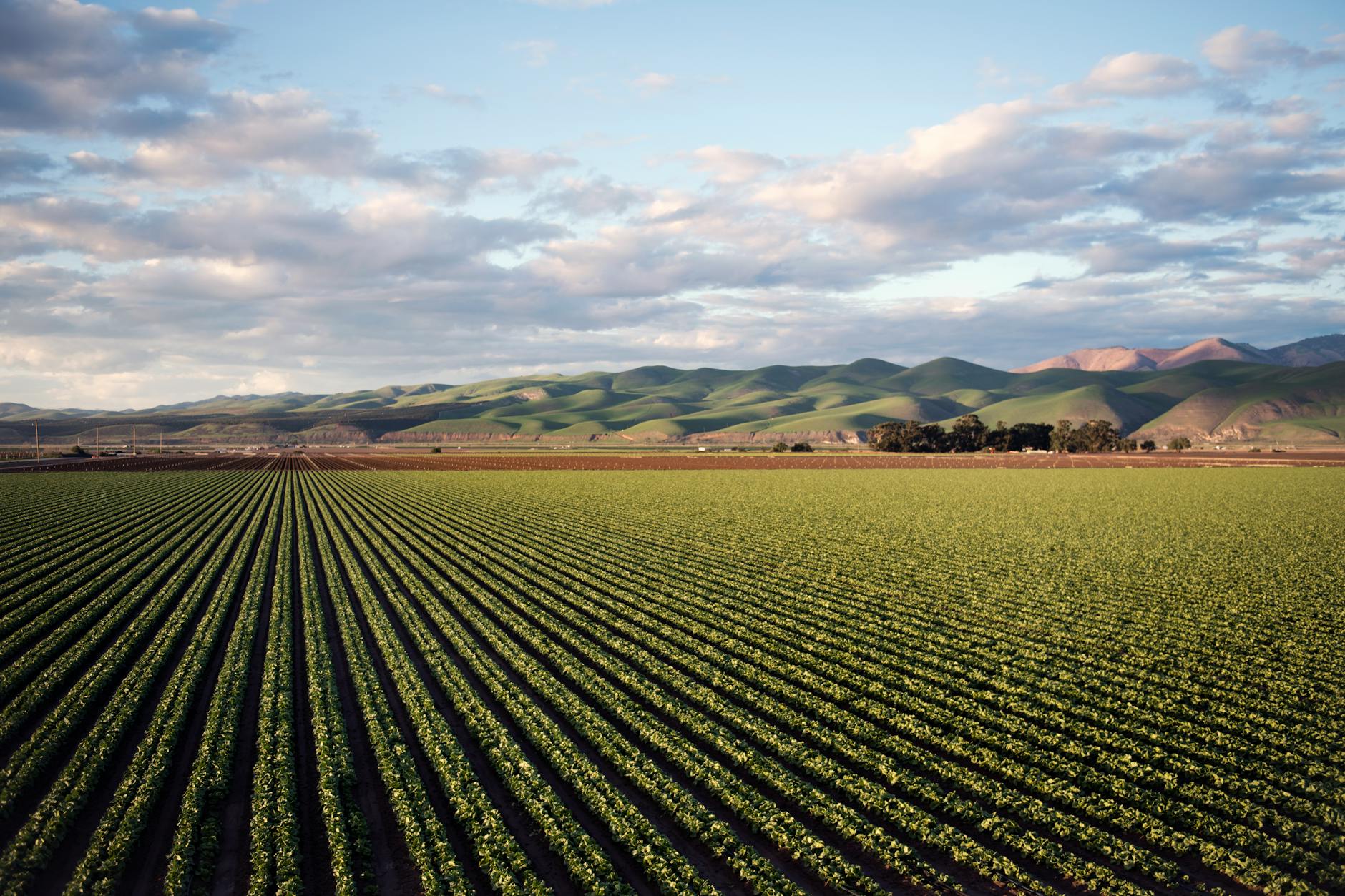
Research shows regenerative farming greatly improves soil health. It helps the soil hold more carbon and water. This not only helps the environment but also makes farms more resilient and productive.
What is Regenerative Agriculture & Why is it the Future?
As the world faces climate change, regenerative agriculture is key for a sustainable future. It aims to make soil healthy again. This is done by using methods like no-till farming, cover cropping, and adding organic materials.
This method is important for fighting climate change by storing carbon in the soil. It helps keep the atmosphere clean by reducing harmful gases. It also boosts biodiversity and farm productivity, making it a complete solution for farming.
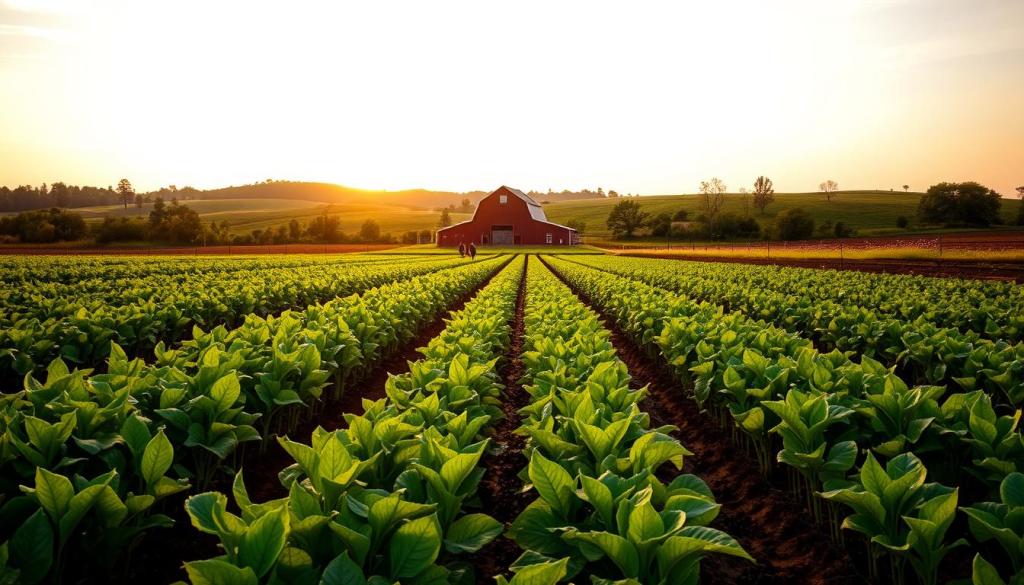
Regenerative agriculture also helps farms deal with extreme weather. It makes soil better at holding water, helping during droughts and floods. This ensures food is always available and supports farmers’ lives.
In short, regenerative agriculture is a smart way to tackle many problems in farming today. It fights climate change and improves soil health, making it essential for farming in the future.
The Power of Regenerative Agriculture for Soil Health
Regenerative farming boosts soil health, leading to a greener future.
- No-till farming keeps the soil intact, helping it hold more organic matter.
- Cover crops prevent erosion and add nutrients.
- Organic amendments, like compost, make the soil richer and more fertile.
Regenerative farming projects have shown great results. They improve the soil’s ability to hold water, reduce erosion, and increase biodiversity. By using these methods, farmers can make their land healthier and more productive.
Regenerative Agriculture in Ghana’s Context
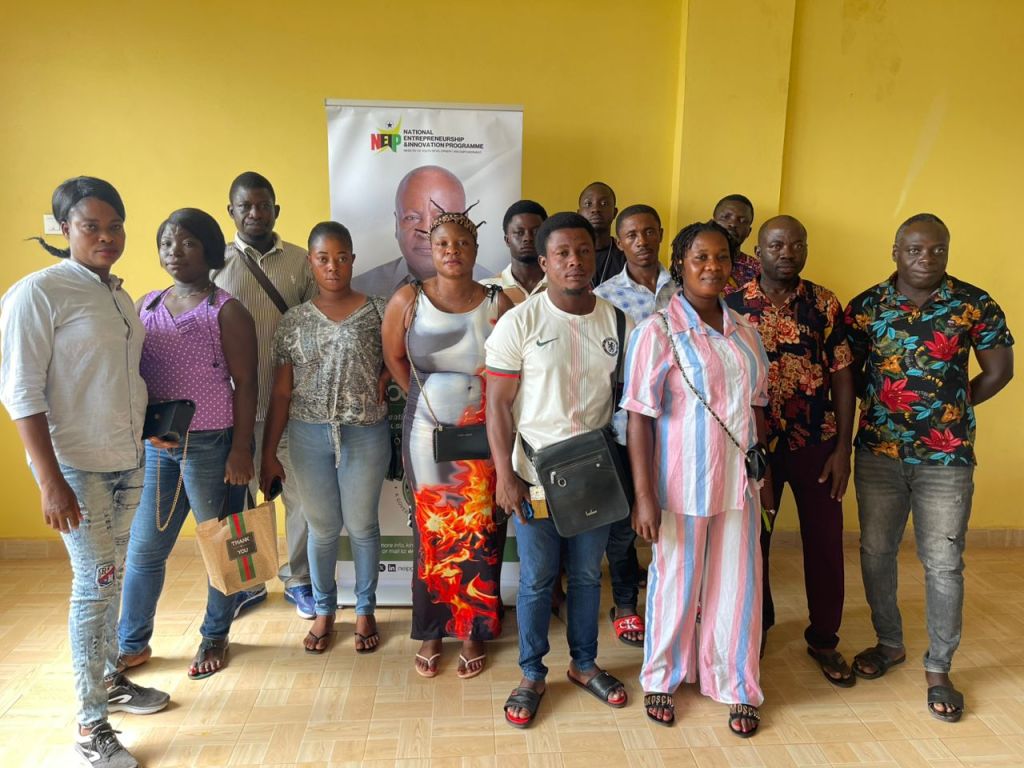
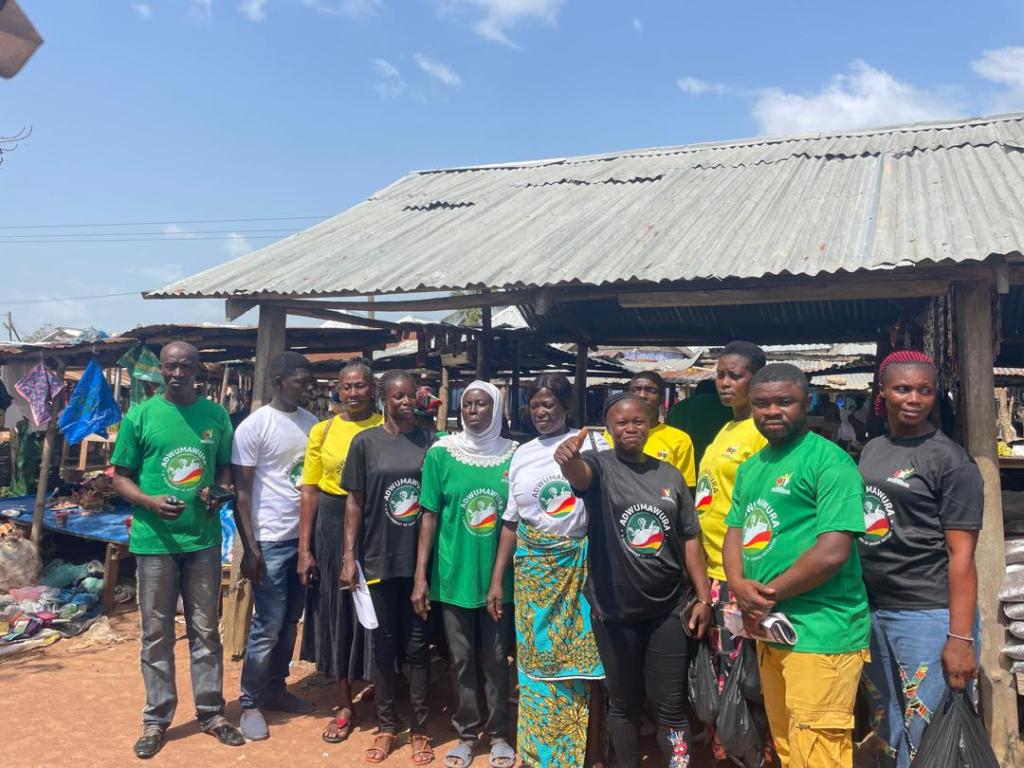
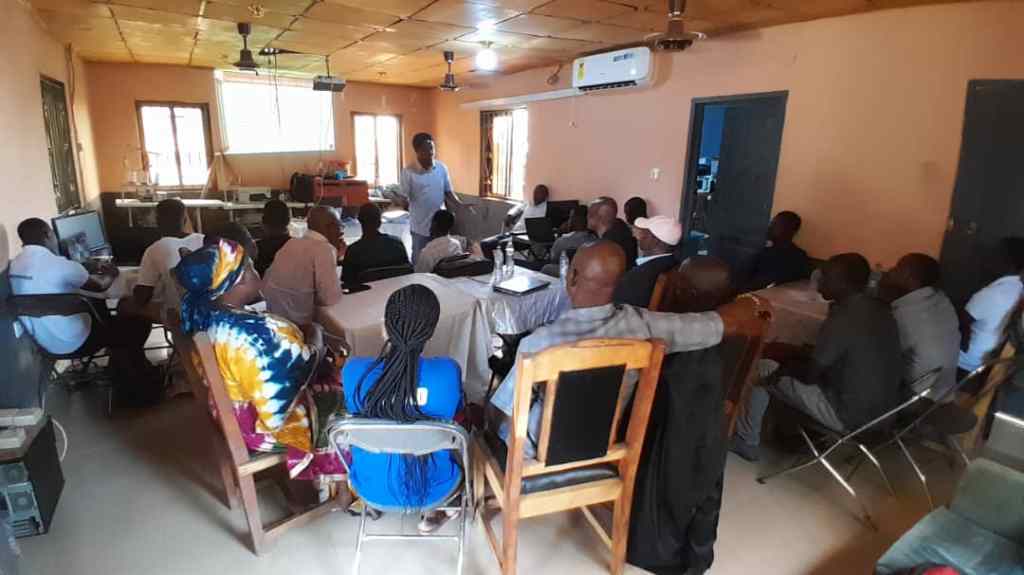
Ghana is looking at regenerative agriculture to solve big problems like soil damage and changing weather. This approach focuses on working with nature to fix these issues, farmers are starting to use regenerative methods. They’re working to make the soil better, grow more food, and keep nature’s balance. Local groups are helping by teaching and supporting farmers.
Farmers are using cover crops, rotating crops, and using organic fertilizers. These steps make soil richer and help fight climate change.
Economic and Food Security Benefits
Regenerative agriculture can help farms in Ghana earn more money and ensure everyone has enough food.
Some of the key benefits include:
- Improved farm incomes through increased crop yields and reduced input costs
- Enhanced food availability and access to nutritious food
- Biodiversity conservation through sustainable farming practices
By adopting regenerative agriculture, Ghana can see big economic and food security wins. This helps make our food system more sustainable.
Conclusion
Regenerative agriculture is more than farming; it’s a way to a sustainable future. It can make the Ghana more resilient to climate change. It also improves soil health and ensures food for everyone. This method is good for the environment and helps the economy grow, it also makes farmers’ lives better. Regenerative agriculture can change Ghana’s farming for the better, make food systems more sustainable and strong against climate change. This leads to a food-secure future for Ghana.
Supporting regenerative agriculture is key to a sustainable Ghana. It’s time to start using these practices to make farming more resilient and productive.
FAQ
What is regenerative agriculture?
Regenerative agriculture focuses on making the soil healthy again. It also boosts biodiversity and improves ecosystem services. Techniques like no-till farming, cover cropping, and using organic amendments help achieve this.
How does regenerative agriculture contribute to climate change resilience?
It helps fight climate change by storing carbon in the soil. It also cuts down on synthetic fertilizers and boosts soil health. This makes farms more resilient to weather extremes and helps protect biodiversity
What are the benefits of regenerative agriculture for soil health?.
It makes soil healthier by adding organic matter and improving its structure. This leads to better farm productivity and less soil erosion.
Can regenerative agriculture improve food security?
Yes, it can. It boosts farm productivity and soil health and promotes biodiversity. This means farmers can grow more food, with better quality, and with less environmental harm.
How does regenerative agriculture support biodiversity conservation?
It helps by promoting ecosystem services and supporting soil life. Practices like cover cropping and using organic amendments create a diverse and resilient farm system. This supports many plant and animal species.
Is regenerative agriculture economically viable?
Yes, it can be. It can increase farm incomes and reduce costs by using fewer synthetic inputs. This leads to healthier soil, more crops, and better economic results.
How can regenerative agriculture be implemented in different contexts?
It can be adapted to fit local conditions like climate and soil type. For example, in Ghana, it’s been used to improve soil health and farm productivity through cover cropping and organic amendments.
What is the role of regenerative agriculture in sustainable agriculture?
It’s key to sustainable agriculture to focus on ecosystem services and soil health. It offers a holistic farming approach that benefits the soil, environment, and farming community in the long run.