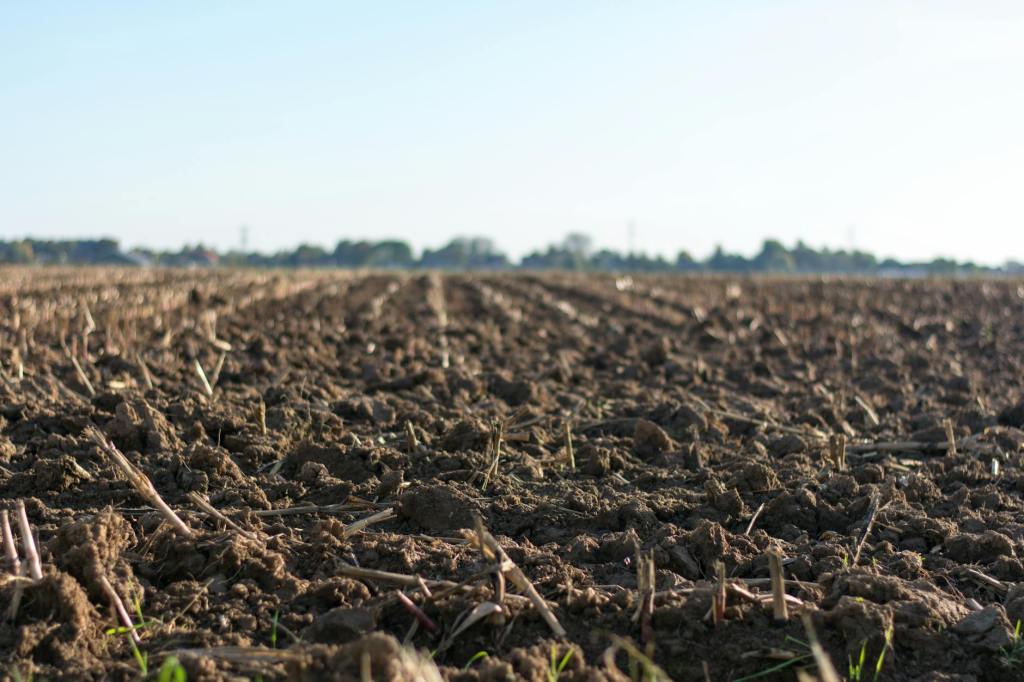
Is your soil holding back your harvest? Many farmers in Ghana face declining yields because of poor soil health. But, what if you could change this using methods that protect the land and boost profits? Sustainable agriculture is not just an ideal; it’s a proven way to make farms thrive.
By focusing on soil health, you can turn degraded land into fertile ground. This ensures both today’s harvests and tomorrow’s farmland.
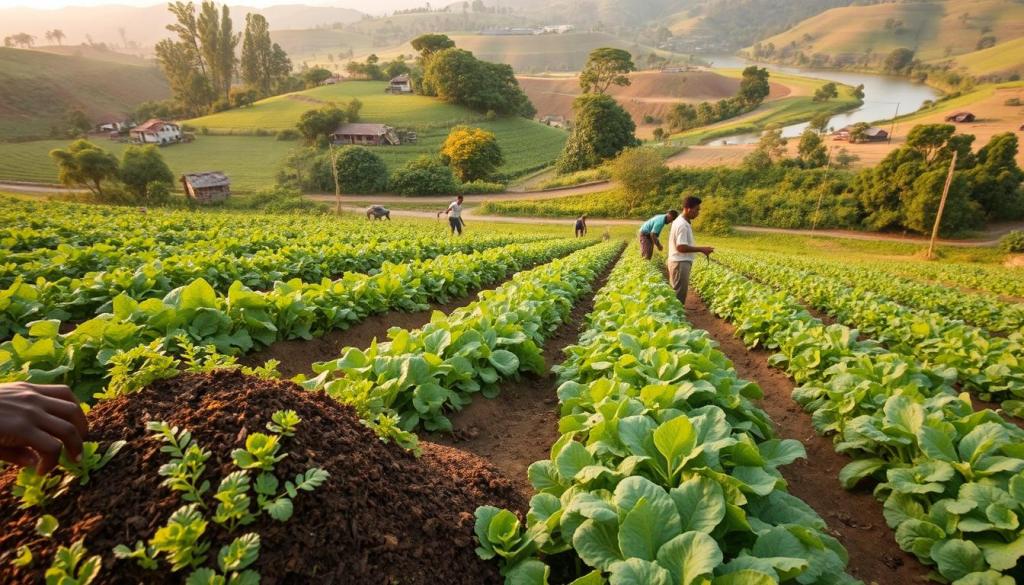
Soil degradation costs Ghanaian agriculture millions each year. Yet, simple changes can make a big difference. By adopting the 10 sustainable farming practices to improve soil health & crop yield outlined here, you can address nutrient loss, erosion, and soil compaction. These strategies are not just about survival; they are your roadmap to a resilient farm ecosystem.
Key Takeaways
- Healthy soil directly increases crop yields and drought resistance
- Sustainable practices reduce long-term farming costs by improving soil fertility
- Soil health benefits like better water retention protect against climate risks
- Adopting these methods aligns with Ghana’s national agricultural goals
- Simple steps like composting and crop rotation can double your farm’s output
Understanding the Importance of Soil Health in Ghanaian Agriculture
Ghana’s farms need healthy soil to grow crops well. Soil is full of nutrients, water, and tiny life that help plants grow. If soil health is ignored, land can get worse, leading to lower yields and less money.
By focusing on soil health practices, you can fight problems like soil erosion and losing nutrients. These issues are common in Ghana’s warm weather.
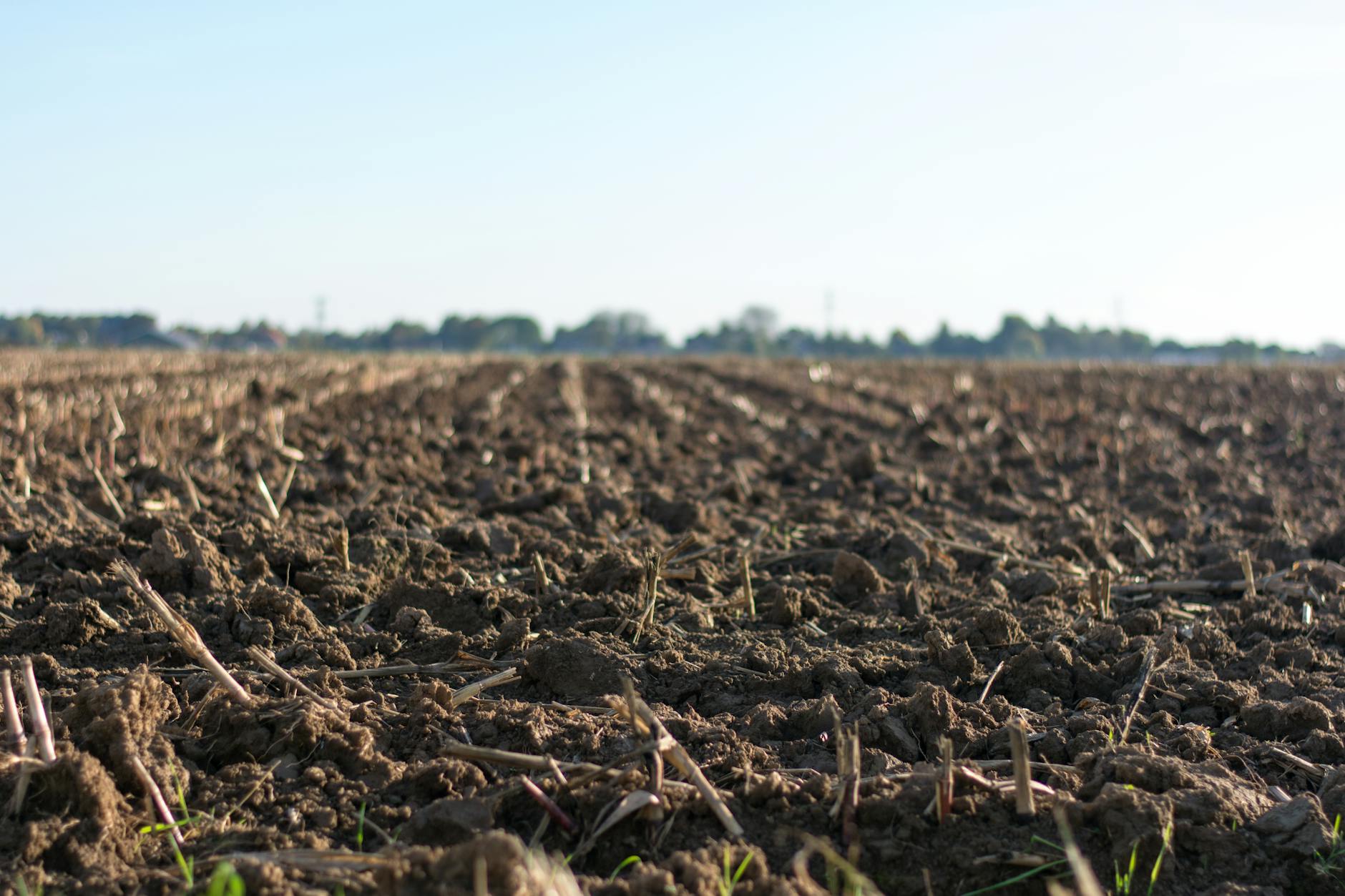
- Organic matter: Healthy soil has broken-down plant parts that help keep water and nutrients in.
- Soil structure: When soil is too tight, roots can’t get the nutrients they need, hurting improved crop production.
- Biology: Good microbes in the soil fight pests without needing chemicals.
Using methods like cover crops or less tilling can fix soil. Healthy soil can hold more water, helping during dry times.
Soil that’s in good shape means stronger plants that fight off diseases better. This leads to more crops and more money for your farm. Every effort to improve soil health now means better crops for years to come.
10 Sustainable Farming Practices to Improve Soil Health & Crop Yield
Boost your farm’s productivity with these proven sustainable practices. Adopt organic farming techniques and environmentally friendly farming methods to enrich soil and increase harvests. Here’s how to apply sustainable agricultural techniques effectively:
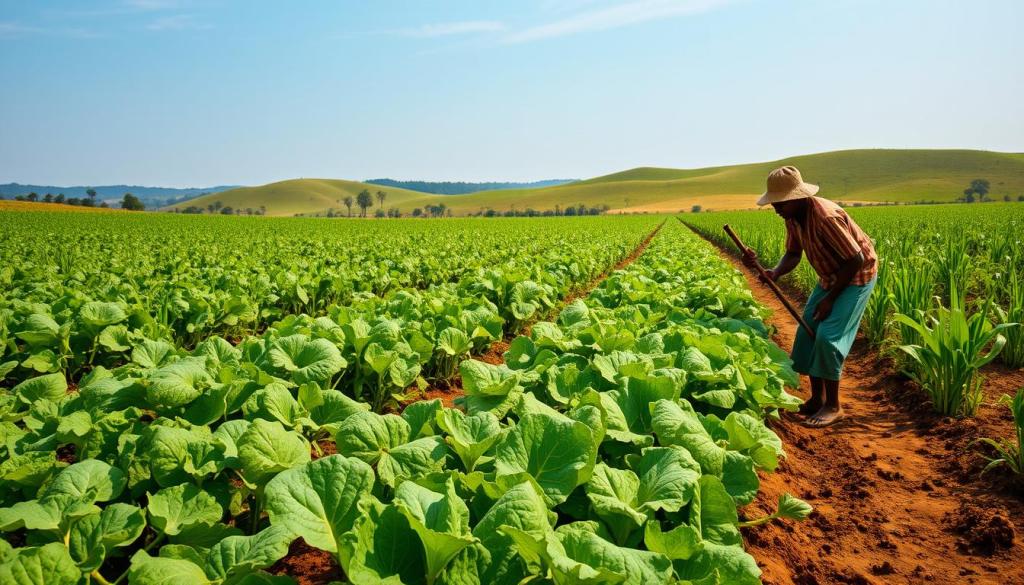
- Crop Rotation: Rotate maize with legumes like cowpea to break pest cycles and restore soil nitrogen. Match rotations to Ghana’s wet and dry seasons.
- Plant Cover Crops: Grow mucuna or pigeon pea during fallow periods. These crops suppress weeds and prevent soil erosion in Ghana’s tropical climate.
- Compost Creation: Turn farm waste, coffee pulp, or cocoa pods into compost. Layer materials in simple pits and apply to fields for richer soil structure.
- Minimal Tillage: Reduce plowing to preserve soil structure. Use hand hoes in clay-rich areas of the Ashanti region to avoid compaction.
- Agroforestry: Integrate native trees like neem or shea into fields. Their roots stabilize soil while providing extra income from nuts and leaves.
- Smart Water Management: Build contour ridges on slopes to retain water. Use drip irrigation in dry regions like the Northern Savannah.
- Biological Pest Control: Release Trichogramma wasps to combat stem borer pests. Plant marigolds as natural pest repellents in vegetable plots.
- Local Nutrient Sources: Use poultry manure or fishmeal instead of synthetic fertilizers. Test soil with local agro-dealers to avoid over-application.
- Integrated Livestock: Rotate small livestock like goats on fallow land. Their grazing naturally fertilizes soil without chemical inputs.
- Soil Testing: Visit your local agricultural extension office for affordable tests. Adjust lime or fertilizer use based on pH levels and crop needs.
Adapt these practices to your region’s climate and soil. Combine them for maximum impact and long-term soil health. Start small, track results, and scale successful methods.
Transforming Your Farm with Sustainable Practices
Starting sustainable agriculture means looking at what you’re doing now. Check your farm’s soil health and what you have to work with. Small steps like adding compost or changing crop patterns can help over time.
This isn’t something you do overnight. It’s a slow process that fits your land’s needs. It’s about making your farm better for the long haul.
Keep an eye on how your soil is doing. Look at its structure, how it holds water, and if earthworms are there. Simple tools and local help in Ghana can help you measure these things.
The Ministry of Food and Agriculture and groups like SEND-Ghana can offer training. They can help you see how your farm is getting better. Even small changes can make a big difference in your yields and the health of your land.
Begin with just one or two changes this season. Try using cover crops to protect your soil when you’re not growing crops. The Soil Health Consortium Ghana can give you advice that fits your farm.
Over time, these changes will make your farm more productive and better able to handle changes in the weather. It’s not just about today’s crops. It’s about making your farm better for the future.
Choosing environmentally friendly farming means your farm will cost less to run and attract buyers. By doing this, you help Ghana’s agriculture and make sure your farm does well for years to come.